Cultur Vultur / Design & Architecture
Design and architecture, from sketch to street.
Architecture, design, places and ideas worth discovering across the city.
Cultur Vultur / Design & Architecture
Architecture, design, places and ideas worth discovering across the city.
Loading events…
Cultur Vultur / Design & Architecture
Architecture, design, places and ideas worth discovering across the city.
Loading events…
46 talks, tours and events in the next 7 days
Showing 1–100 of 242 events1–100 of 242 events
Enter the imaginative world of British artist and designer Es Devlin in the first retrospective in Europe celebrating her 30-year creative practice across sculpture, stage design, music, language and light. If your preferred time slot is sold out online, a limited number of tickets may still be available from the ticket desk. 'Es Devlin: Other Worlds' will explore Devlin’s genre-defying practice and the vast range of projects she has brought to life around the world. On display will be artworks, installations and film alongside the largest solo presentation of Devlin’s archive to date.

Reusing and retrofitting existing buildings offers a clear and sustainable alternative to demolishing and rebuilding, yet the UK demolishes 500,000 buildings every year. This session reviews current policies and barriers to change and looks at strategies for quantifying and communicating the whole-life carbon benefits of adaptive reuse and encouraging developers and clients to understand, improve and capitalise on the latent environmental, heritage, economic and social value of their existing assets. Speakers include: Kiru Balson, Max Fordham Esther Robinson Wild, Robinson Wild: historic environment consultants Ian Poole, Elliott Wood Engineers Luke Richardson-Brown, Partner, Studio PDP Alexander Grigull, associate principal at Grimshaw Partner: Max Fordham Free to attend

Step into the heart of London’s Brutalist legacy.

A UK–China summit exploring healthcare architecture, hospital renewal, net zero, AI and the future of healthcare design.

This event is part of the free Lunchtime Lecture series. No booking is required.
Discover the world renowned royal and political heart of London with captivating exteriors of Big Ben, St James's Palace, Banqueting House

The urban environment can either add to or help alleviate the mental load of parenting. The way we design housing, streets, public spaces, services and everyday journeys influences parents’ ability to access support, connect with others, feel safe, rest and navigate daily life. Design has the ability to offer solutions to some of society's most complex challenges and in this panel discussion, we will explore how the built and social environment intersects with different dimensions of wellbeing—from mental and physical health to belonging, connection and loneliness—and what it would mean for cities to intentionally design with caregivers’ experiences in mind. Cristina Garriga is an Associate and Senior Creative Strategist at UNS, where she shapes meaningful experiences through insight-driven strategy, brand innovation and human-centred design. Working across architecture, urban design, and product design, she brings together strategic thinking and creative execution, ensuring brands, places, and environments are not only distinctive and engaging but deeply purposeful, relevant, and built around the needs of clients, users, and communities.

A landmark edition of the biggest night in architecture.

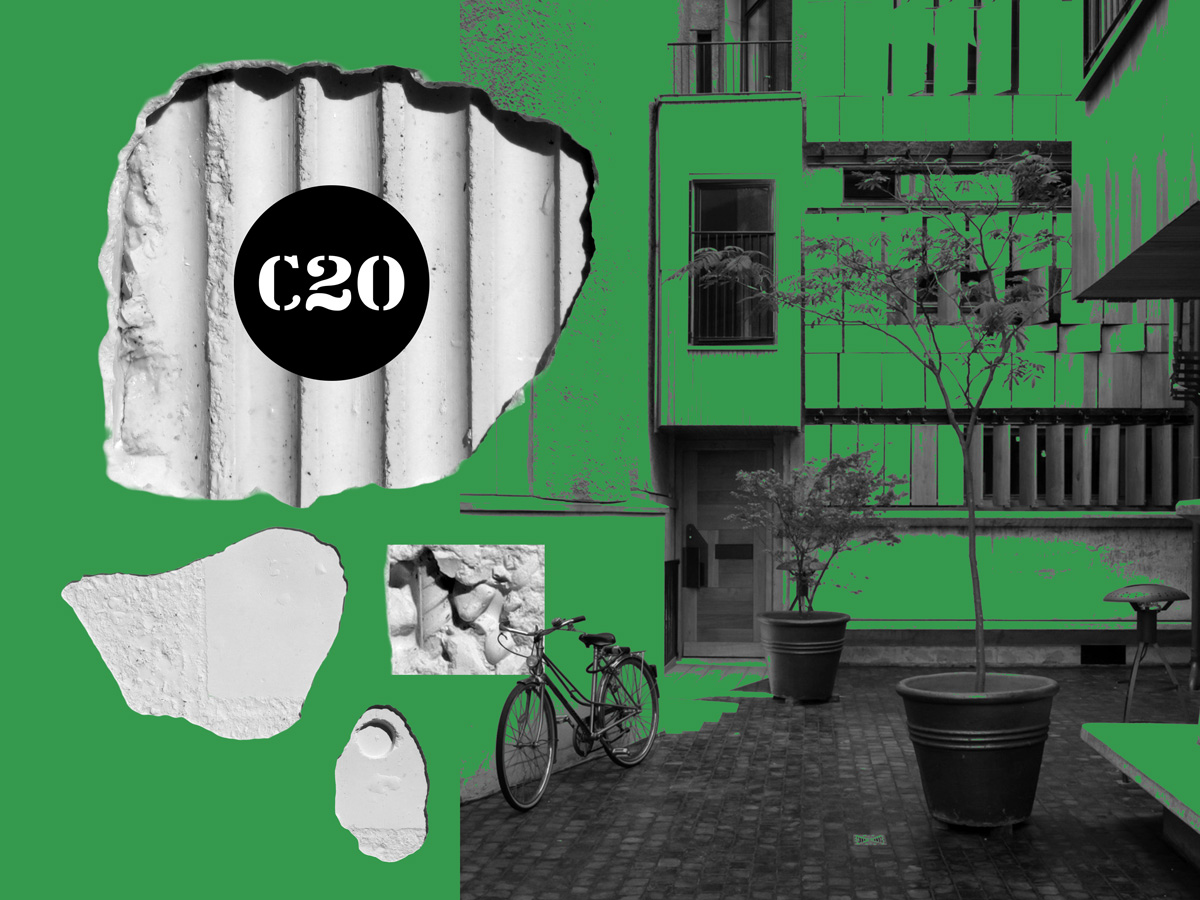
Join us for this autumn instalment of short talks from early-career researchers, including: Laura Mark exploring the unintended details of Peter Salter's Walmer Yard; November Tan reimagining Portsmouth Central Library; Joe Mathieson examining retrofit at Hampstead Garden Suburb; and sculptor Jack Handscombe discussing his artwork and late classicism. Details: Upgrading Utopia by Joe Mathieson The talk is about retrofitting the twentieth century utopian community of Hampstead Garden Suburb. Joe Mathieson is an architectural adviser at the Hampstead Garden Suburb Trust. Reimagining Portsmouth Central Library by November Tan November Tan is a PhD researcher in Architecture at the University of Portsmouth. Her work forms part of an AHRC-funded collaborative doctoral partnership with the Portsmouth City Council. This focuses on the architectural history of the Portsmouth Central Library, as well as participatory heritage and design. Trained in geography and architectural conservation, November has worked as an urban planner, designer and heritage professional for over 15 years. Originally from Singapore, she is also a community organiser, facilitator and learning designer who brings together traditional and digital art forms with play, storytelling and experiential learning. My work and late classicism by Jack Handscombe A short presentation on the sources and inspiration for Jack’s work as a sculptor and architectural designer that elide and collapse different times, themes and styles. Jack Handscombe is a sculptor, designer, and architectural stone carver. His recent work includes the stone carving for the Royal Regiment of Scotland’s 20th Anniversary monument in Edinburgh’s West Princes Street Gardens, unveiled by His Majesty King Charles III in July 2026, and an ongoing programme of architecturally integrated sculpture for a Longniddry South housing development in East Lothian, Scotland. His interest lies in the persistence of historic forms late into the twentieth century. His own practice draws on this latent continuity and attempts to actively speak in its many voices through exercises design and sculpture, to exercise the forms in a hope to develop the language. Peter Salter's Walmer Yard by Laura Mark Laura Mark will discuss her PhD research at Walmer Yard. Walmer Yard is a development of four houses which sit around a courtyard in Notting Hill, designed by the acclaimed architect Peter Salter. Once completed back in 2018, it was turned into a house museum and Laura was appointed as its Keeper. While there she made a series of casts of parts of interior walls where the texture isn’t quite as the architects would have intended. Many visiting the building might not notice these or alternatively might see them as intended details. Some of them became intentional as the architect acted to disrupt the notion of an imperfection or mistake by bringing them to the fore, extending them and spreading the initially unintended finish to other areas of the walls. The casts and a series of accompanying poetic words explore what is significant about these unintended moments within the interior spaces of Walmer Yard. They also present opportunities to carry out a close reading of the building and its fabric, and as a way to retrieve and create memories – akin to a talisman. In her presentation Laura will explore how the casting of the building and the words placed aside these casts can act to record the interiors of the spaces and the moments and stories contained within the walls of Walmer Yard. Laura Mark is Head of Casework at the C20 Society. She is an award-winning architecture critic, curator, editor and researcher. Before joining the C20, Laura co-led the undergraduate first year at Sheffield School of Architecture. She has previously taught at the Bartlett School of Architecture, University of Greenwich and the Birmingham School of Architecture and Design and Sweden’s UMEA University. Trained as an architect, Laura worked in architectural practice before joining the editorial team of the Architects’ Journal. She has also held a curatorial position at the Royal Academy of Arts. Hosted by Carlos Finlay.
Global conditions largely shape architecture today, yet in looking outward, we often lose sight of what is immediately in front of us.
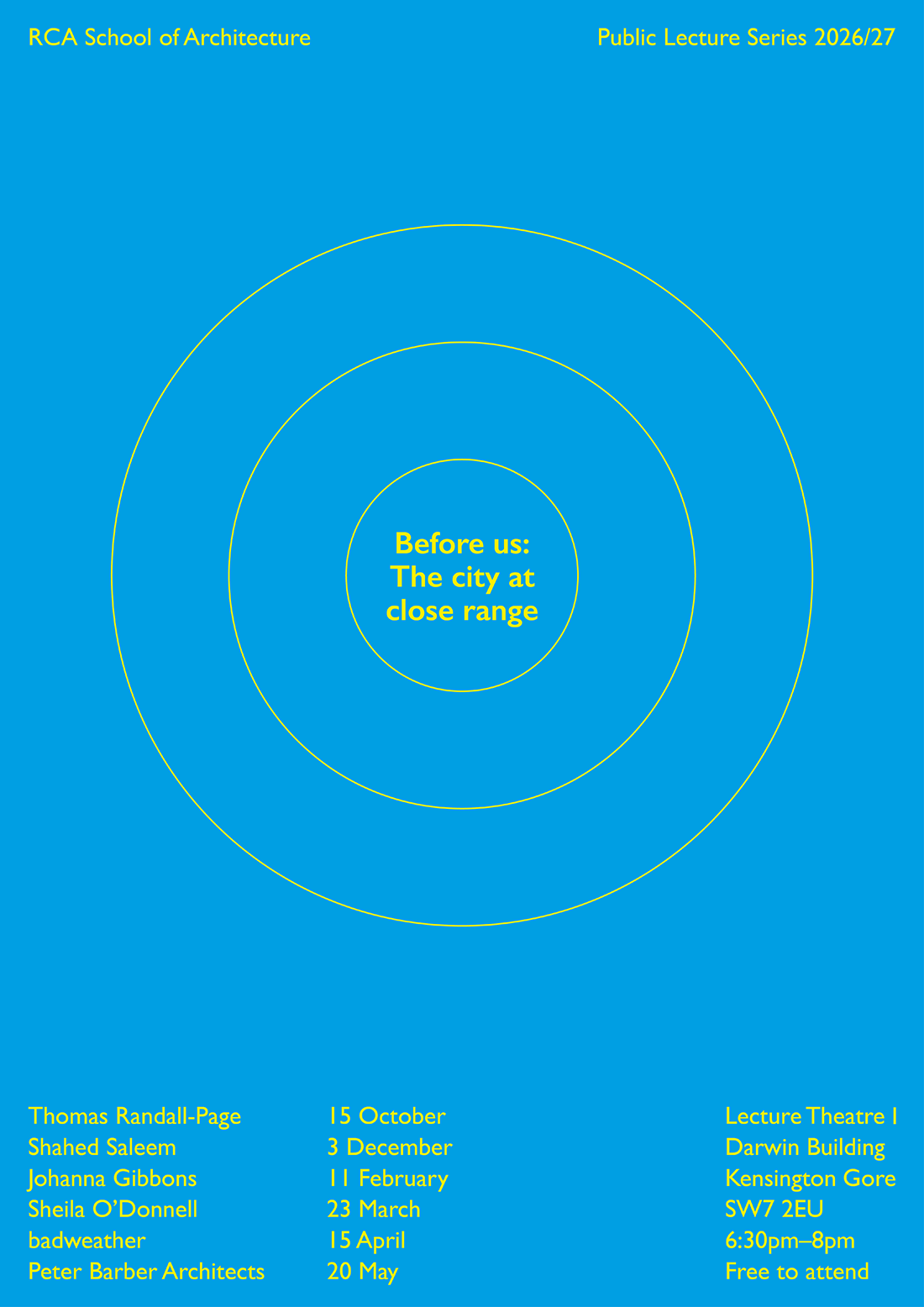
School of Architecture Public Lecture Series, Before us: The city at close range

How did early modern people make festivals, and why did they take such enormous care in the production of seemingly ephemeral events? Elaine Tierney’s new book, Celebrating the City: Making festivals in early modern London and Paris, explores these questions by taking readers behind the scenes of urban festivities. Where other studies unpick the courtly, literary and iconographical contexts for festivals, this book foregrounds the processes of designing, making and organising by which the events were produced. This shift in focus reveals that urban festival politics cannot be understood without attention to the nitty-gritty of these material worlds. In making this case, the book combines the tools of design history and the concerns of political history to shed new light on how people, from royal officeholders to anonymous faces in the crowd, used festivals to participate politically in late seventeenth-century Europe’s two most populous cities. This event celebrates the book’s publication. After a short welcome and introduction from the author, two respondents highlight the volume’s key contributions to histories of festivals, political culture and urban life.

A walking photography tour of the Barbican Estate - by Brutalist London & Cinematographer Diana Olifirova

The South Bank, Somerset House and Covent Garden – three London landmarks that have seen spectacular change from their original uses. Although all are cultural destinations, their architectural responses are radically different. How did the buildings develop and adapt, and will they remain relevant in a changing world? The Festival of Britain in 1951 sparked redevelopment of the South Bank, so our walk begins at Royal Festival Hall. We consider the brutalist institutions along the Thames before crossing Waterloo Bridge, with its panoramic views of the city. North of the river we discover Somerset House and some of the most fascinating buildings around Aldwych, before ending our journey at Covent Garden.
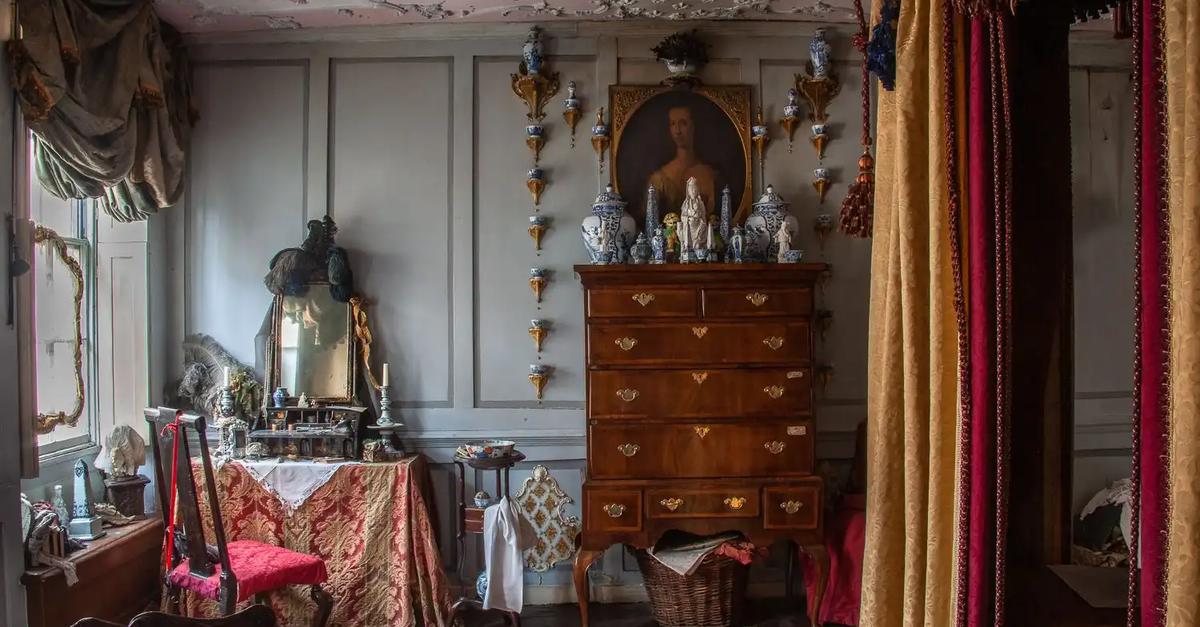
Relaxed Day Visit, 12pm – 3:15pm, £16 (+ £1.50 booking fee). Silent Night Visit, 5pm – 8:15pm, £25 (+ £1.50 booking fee). This is more informal than our Silent Visits, with talking allowed, yet still allows you to weave your way through the house and revel in its lavish decoration. Last admission is 45 minutes before closing time.
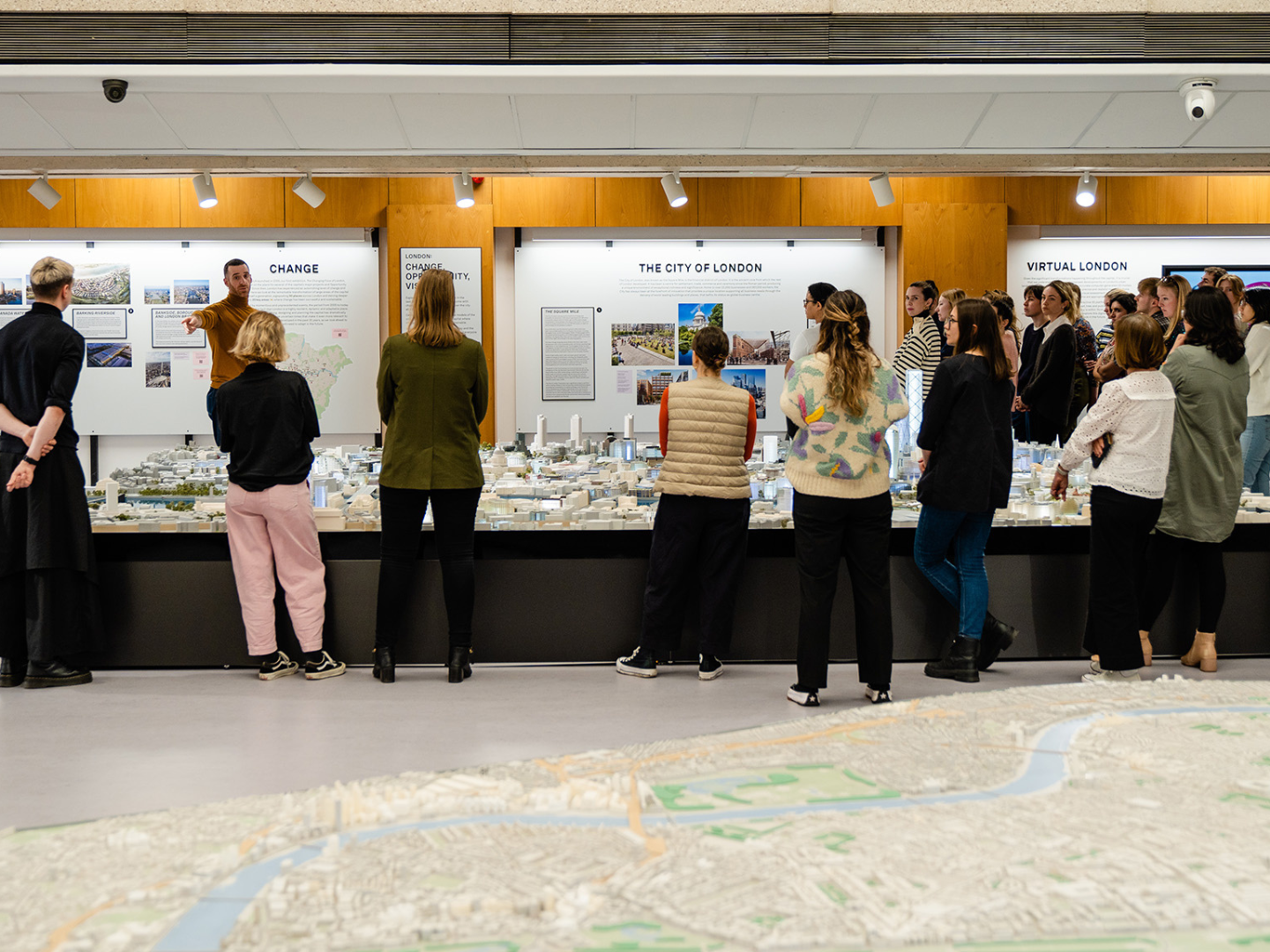
See how London has grown, and discover what could shape it next, in a free 30-minute talk at The London Centre.
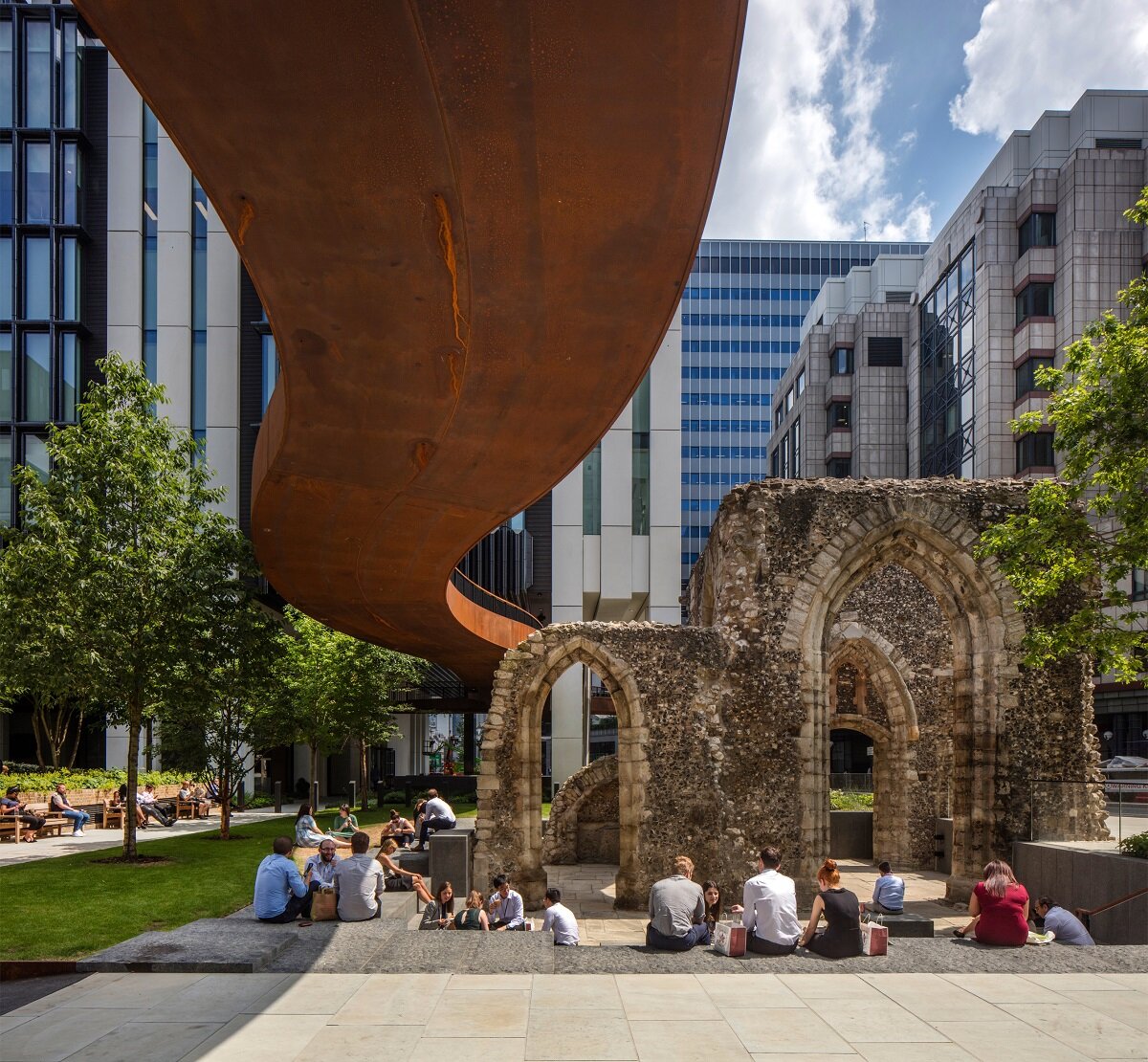
Join Open City for a walking tour discovering the history of the London Wall and its impact on contemporary London’s architecture and landscape
Experience London's Brutalist architecture and social history in this highly rated walk & talk !
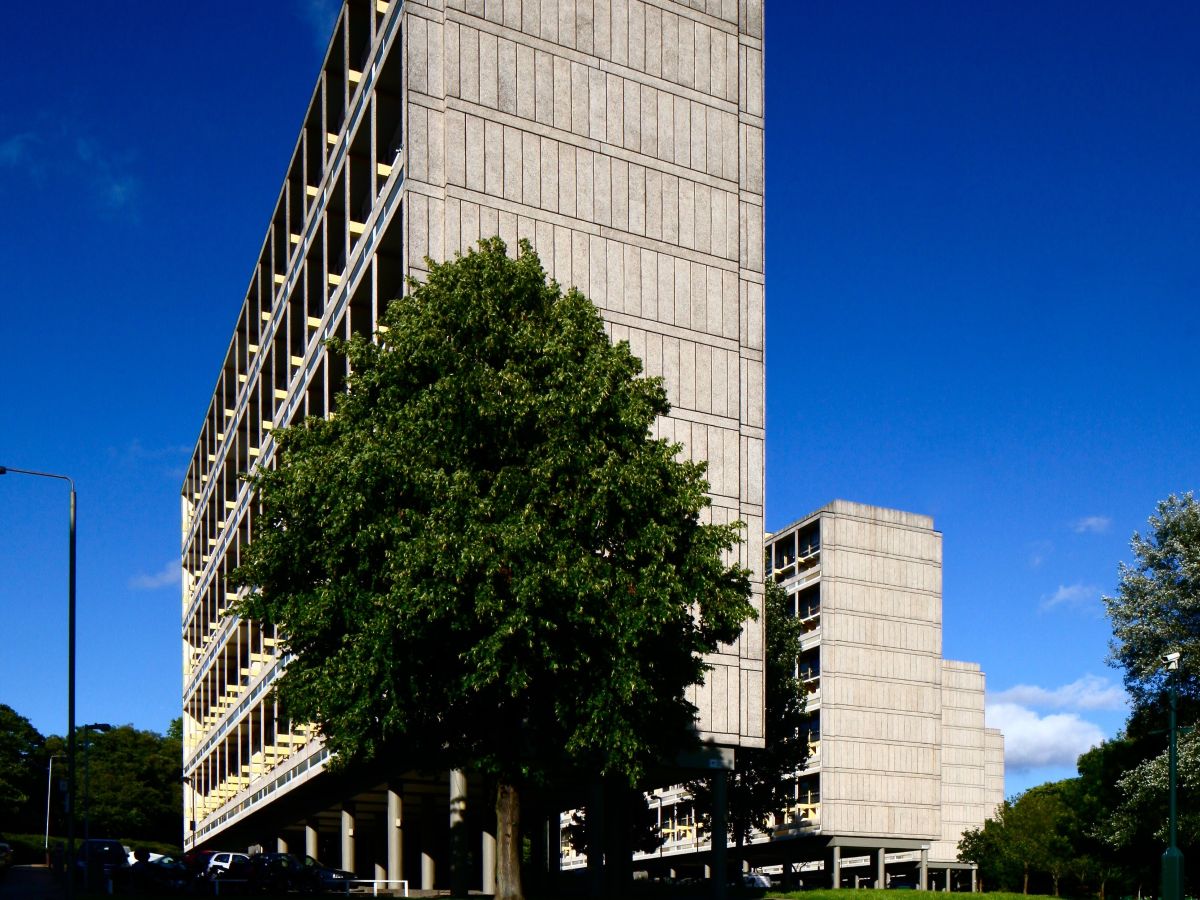
This circular route explores the celebrated Alton Estate Roehampton (now around 65 years old) from the perspective of one who grew up there. The estate is divided into two branches with very separate identities: the slightly earlier Alton East (1955) with its Scandi inspired softer vernacular and Alton West (1959) with a more uncompromising brutalist approach, seen especially in the Grade II* listed slab blocks paying tribute to Le Corbusier’s Unite D’habitation in Marseilles (1947–52). Both wings of the estate were built on the extensive parkland of 18th century mansions which still survive. A requirement was that its mix of high rise, maisonettes, and individual houses should respect and avail of these historic landscapes and provide high density dwellings in spacious surroundings. In particular we will examine how the best intentions of its visionary designers translated into practical reality. Frank Burgess is a native Londoner with memories from age one of seeing concrete piloti awaiting assembly for Alton Estate Roehampton. His Irish immigrant family was among its earliest inhabitants. A fascination with the London townscape and its endlessly quirky variety dates from there. Frank has been working for the last eight years as an accredited London Blue Badge Guide.
Around the fringe of every city lies an Edgeland. Neither town or country these fertile hinterlands are made up of two different natures. Skirting the ancient borders of the City of London, this TWO-PART walk explores the liminal buildings, streets and spaces that have grown up in the shadow of the financial heart. Following a route defined first by the Romans two millennia ago, PART ONE explores the contemporary ‘City Fringe’ between Tower Hill and Broadgate taking in old railways, warehouses and 21st century commercial leviathans and the neighbourhoods of Minors, Aldgate, Whitechapel, Houndsditch and Spitalfields! PART TWO: Saturday 07 November A walking tour by The London Ambler - Mike Althorpe

Join Open City for a walking tour discovering the extraordinary architecture of Kensington
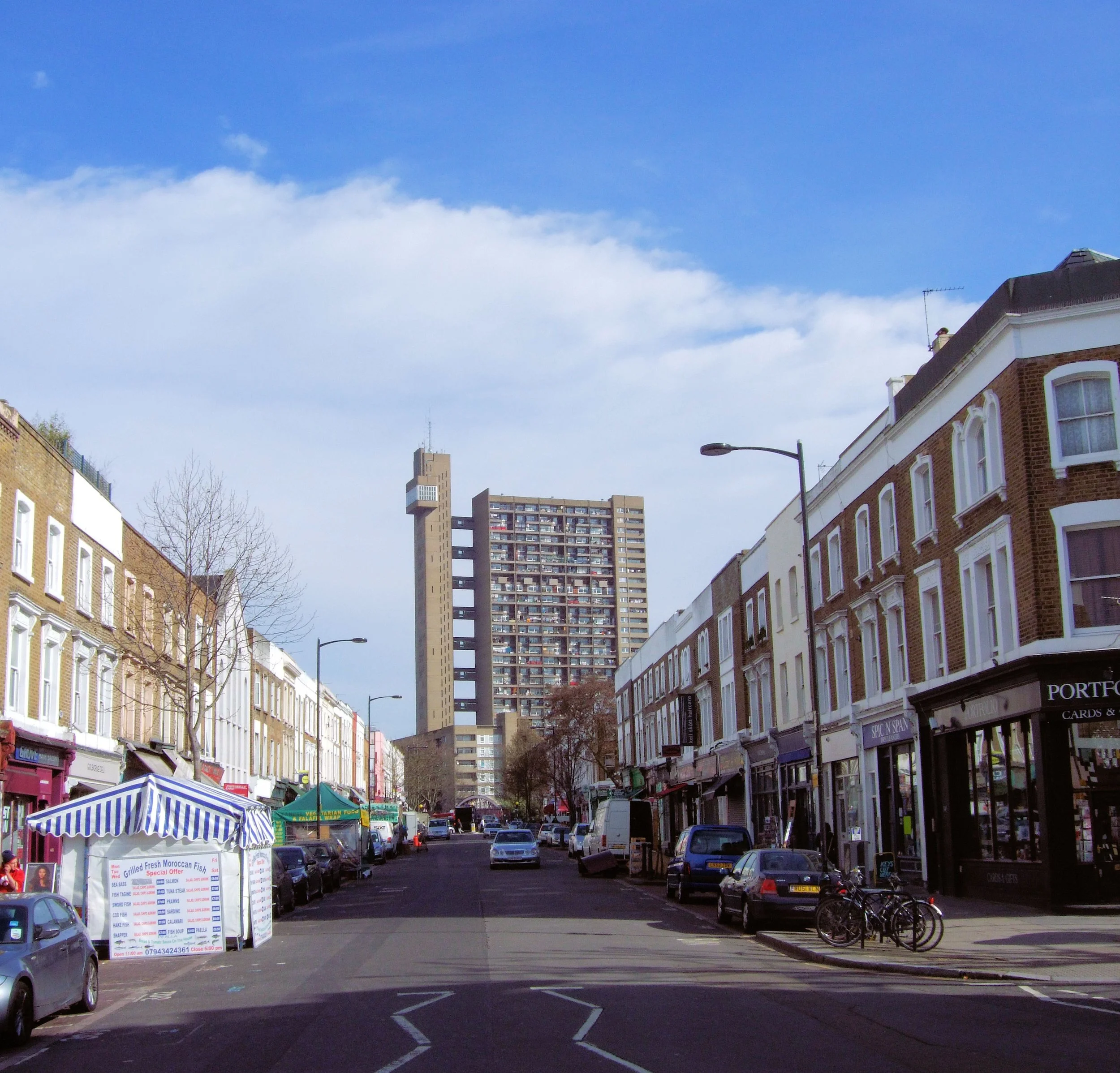
Join Open City for a walking tour exploring Pimlico
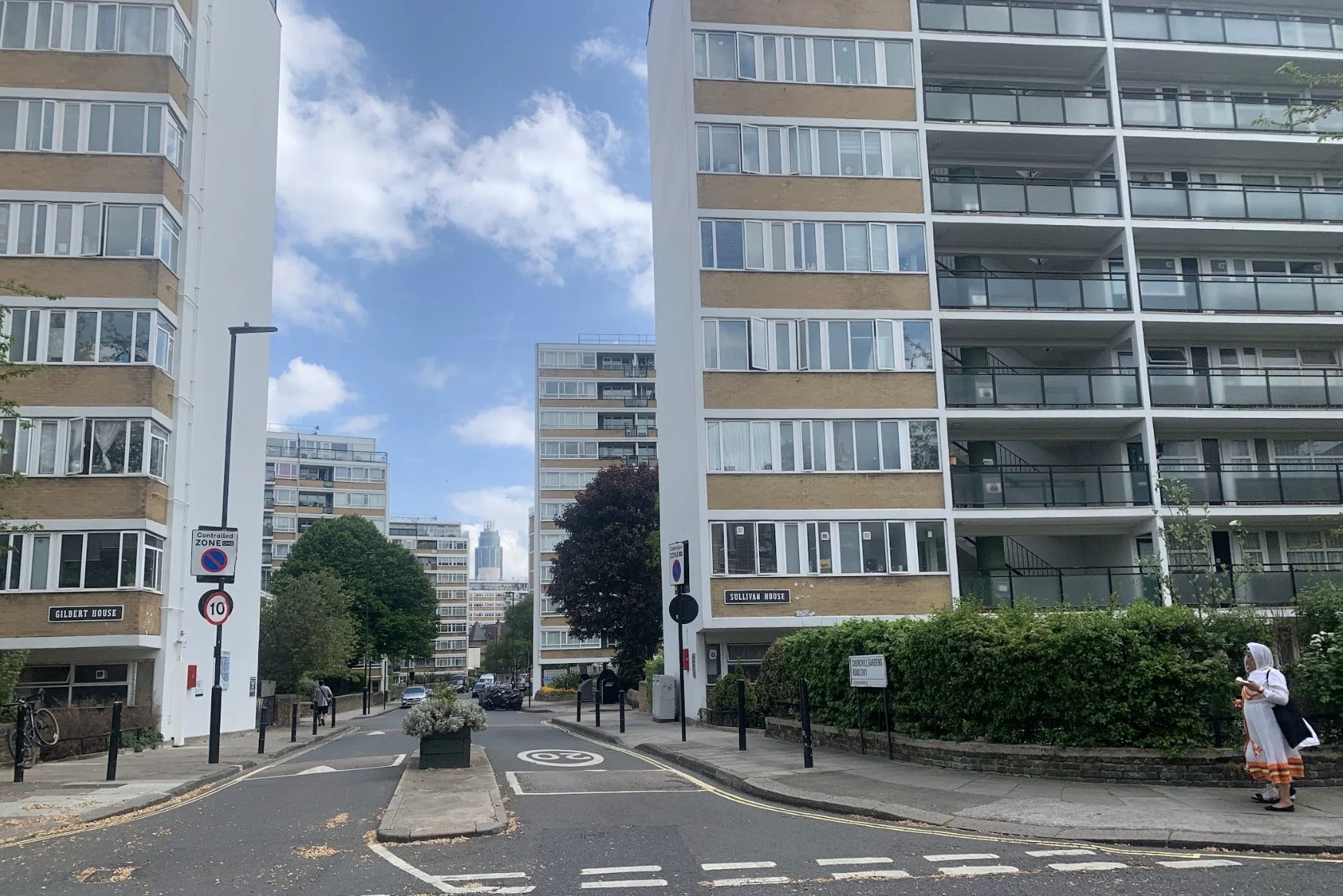
Join Open City for a walking tour exploring the unique layered history of the architecture of Clerkenwell
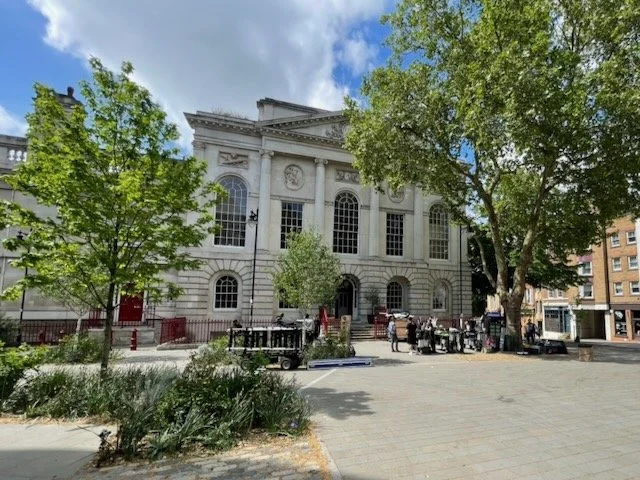
Join us for a chill walk exploring cool ways to design buildings that actually help tackle climate change.

Relaxed Day Visit, 12pm – 3:15pm, £16 (+ £1.50 booking fee). This is more informal than our Silent Visits, with talking allowed, yet still allows you to weave your way through the house and revel in its lavish decoration. Last admission is 45 minutes before closing time.
Every Tue & Sat, 12, 2 & 3.45pm. Have you ever wondered what Somerset House was built for and what has taken place within this Grade 1 listed building over the years? Have you ever asked why Somerset House is located on this particular bend on the River Thames or its part in the naval history of the country? Have you ever considered how its identity today as a home for cultural innovation resonates with a rich history of art, science and pioneering figures who have shaped our society? Our tours will answer all these questions and many more. In this 1 hour experience, you'll take a walk through the varied and surprising history of the site, take a peek behind closed doors, step into our fascinating Deadhouse, explore an unrivalled architectural gem and learn more about the very special story of this building and amazing individuals who have lived and worked here across the centuries. Historical Highlights tours can be booked in advance or on site with our tour guide in Seamen's Hall. Step Inside our iconic landmark to hear captivating stories and view hidden history of Somerset House. We look forward to welcoming you. Please note this tour takes you to part of the building that has uneven surfaces and small raised sections between doorways, therefore may not be suitable for all. Please email our visitor@somersethouse.org.uk to discuss your access requirements. Please arrive at Seamen's Hall in the South Wing 15 mins before your tour is due to commence. All Historical Highlights Tour ticket holders enjoy 10% off at Café Petiole at Somerset House.

Unlock Tate Britain’s history and architectural secrets in our Architecture Tour
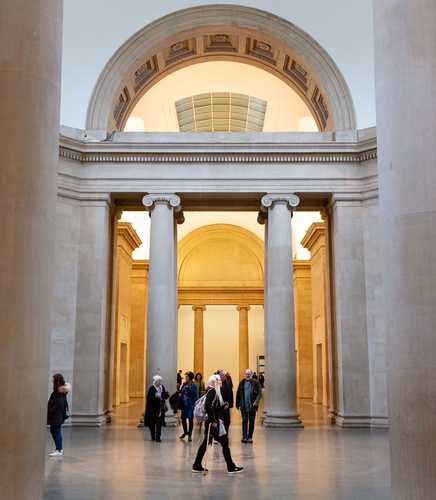
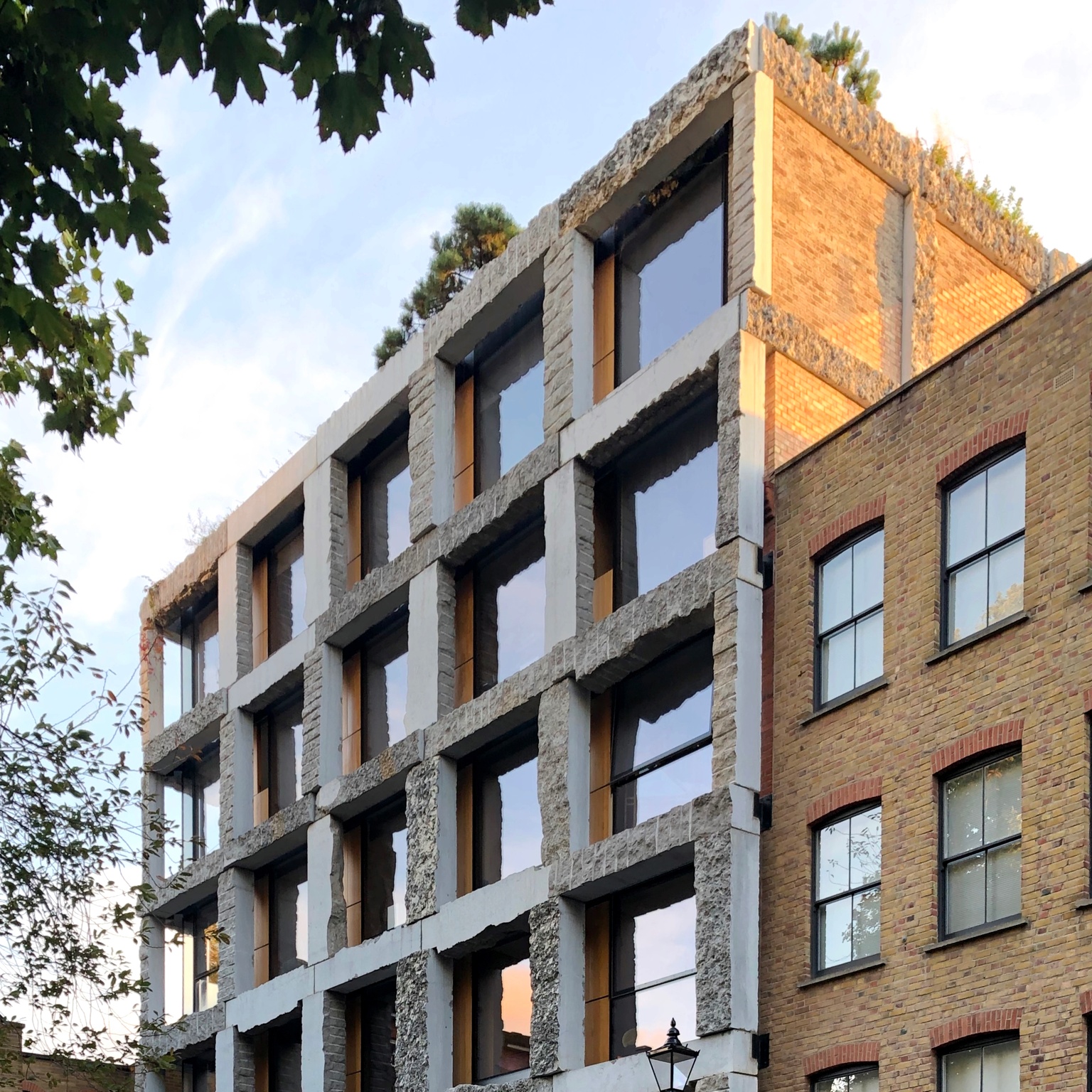
Clerkenwell is one of London’s most multi-layered neighbourhoods. From its medieval, monastic origins to its recent emergence as a hub for creative and design professions, it has a vibrant and fascinating story. Walking from our meeting point at Barbican Station, we discover historic Charterhouse Square. From there, we trace a path through Clerkenwell Green. We see recent residential projects by contemporary architects such as David Adjaye, Steven Holl and Amin Taha and we review the proposed urban transformations of Smithfield Market.
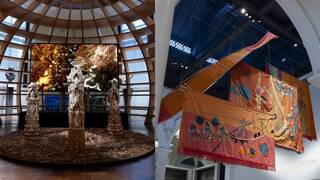
As digital systems and AI become increasingly embedded in art and design practices, Explore how emerging technologies shape material culture, memory and spirituality through the works of Aziza Kadyri and Eunjo Lee.
Join us for an African Heritage Tour at Tate Britain
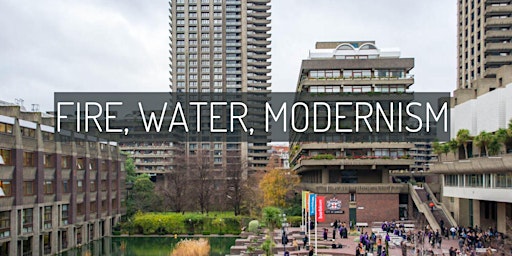
Fire, Water, Modernism is an immersive journey through the majestic post-war architecture of the City of London.
Housing is the most significant built form in cities. On this walk, we see how architects and planners over the ages have experimented with this building type, often challenging the established norms. Starting at Belsize Park Station, we trace the history of urban housing over the last 200 years. We discover the remarkable story of the iconic Isokon Building and explore unique examples of post-war social housing by The London Borough of Camden’s Architecture Department. Not always pretty, the buildings on this tour comprise a fascinating comparison of housing types.
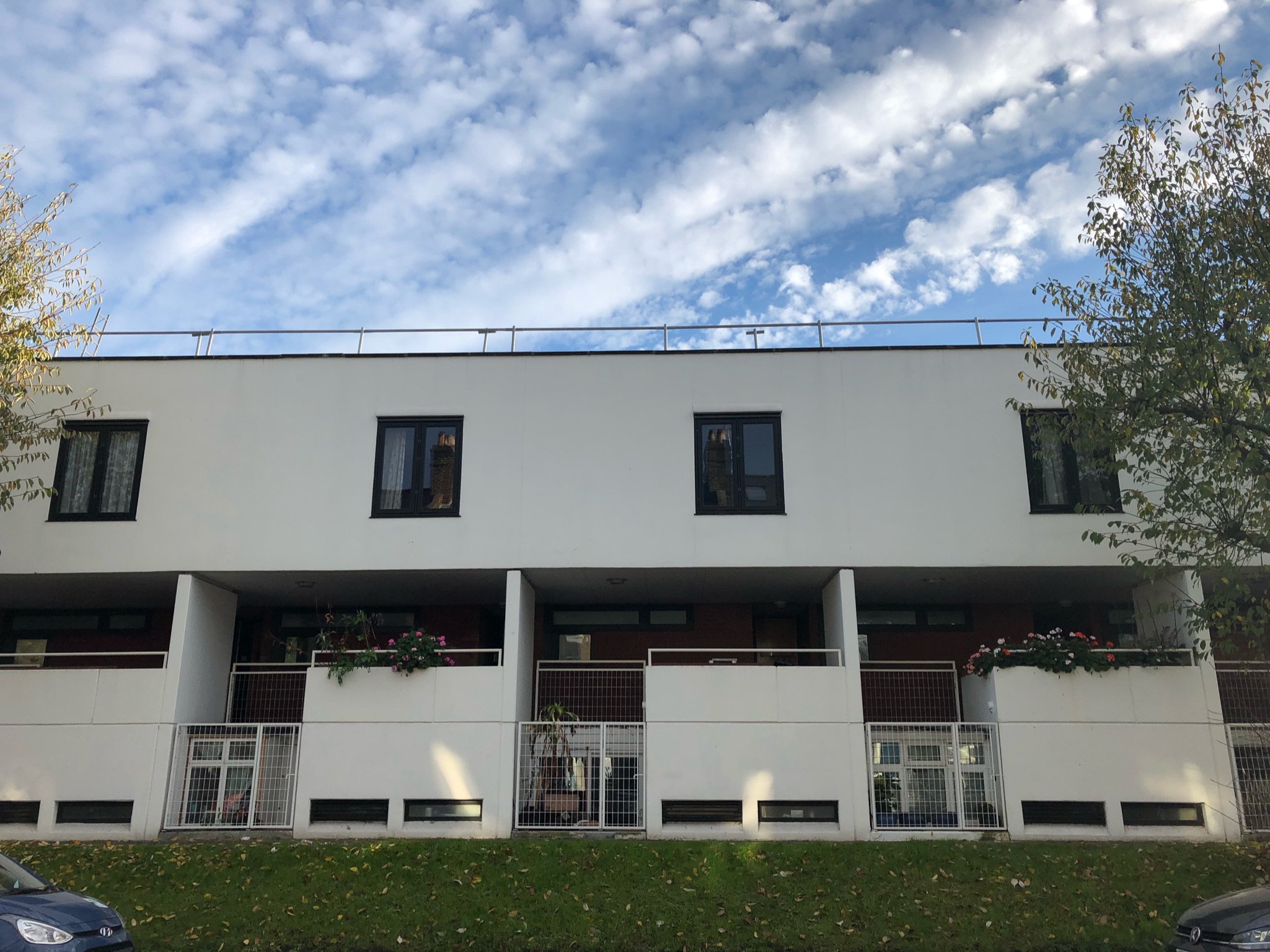
Silent Day Visit, 12pm – 3:15pm, £16 (+ £1.50 booking fee). Dennis Severs’ Tour, 6pm, £75 (+ £1.75 booking fee) (sold out). Walk through the house at your own pace without speaking. 18 Folgate Street is famous for the quality of its silence, enlivened only by ticking clocks, distant church bells and horse-drawn carriages passing. You will discover that when there is no chatter, you grow more aware of the fragrances of each of the rooms. Compounded by the house’s intricate visual detail, this is an intense experience for all the senses. Last admission is 45 minutes before closing time.

Explore London’s Brutalist and High-tech landmarks and uncover the history, technology, and events that shaped the modern city.

Sourcing natural and sustainable construction materials can present various challenges, but addressing these hurdles is crucial for promoting environmentally responsible and socially conscious building practices. This session explores the issues around availability, cost considerations, certification and standards, quality and performance, education and awareness, regulatory compliance, supply-chain transparency and local sourcing. Architects, engineers, materials specialists and policy experts share case studies and applied research. Speakers include: Siri Zanelli, Founding Partner, Collective Works Lee Fox, Project Architect, BakerBrown Studio Rowland Keable, Director, Rammed Earth Consulting Anna Hollyman, CoDirector – Policy & Industry Intelligence, UKGBC Eleonora Regni, Webb Yates Engineers Jordan Panayi, GROUPWORK Partner: H.G. Matthews Free to attend

A Talk by Prof Maximilian Sternberg

How will climate change impact everyday life; food security, extreme weather, health and the cost of living?

Hosted by Atelier One, the Bamboo in the UK Group and University of Westminster will explain the benefits of bamboo and explore the potential role bamboo can play as a mainstream low-carbon material for construction and design in the UK. We will showcase examples of bamboo already being used in the UK, and the ongoing research and prototyping that is beginning to unlock this under-utilised material. The event is targeted at all those looking to explore sustainable regenerative materials in their research and practice, particularly emerging practitioners, in the lead-up to the UK Bamboo Summit 2026 on Friday 30 October in Birmingham. Chaired by Chris Matthews of Atelier One, presentations will include: Ananya Singhal of Studio Saar Architects and Neil Thomas of Atelier One presenting the Pangolin Pavilion, a collaborative installation exploring the structural and aesthetic possibilities of bamboo Orit Azaz of Imagine Bamboo and the Bamboo in the UK Group on the UK Bamboo Summit and artist-led action research and rapid prototyping Ken Downing of UK Bamboo Supplies on current uses of bamboo across the UK James Marr of the Bamboo Bicycle Club on accessible, replicable bamboo design in prisons and education environments A panel discussion chaired by Kate Cheyne, Head of the University of Westminster School of Architecture and Cities Tickets £15. Free for students Find out more

Three ideas. Three speakers. One room to challenge, refine and reimagine the future of our cities through collective women’s insight.

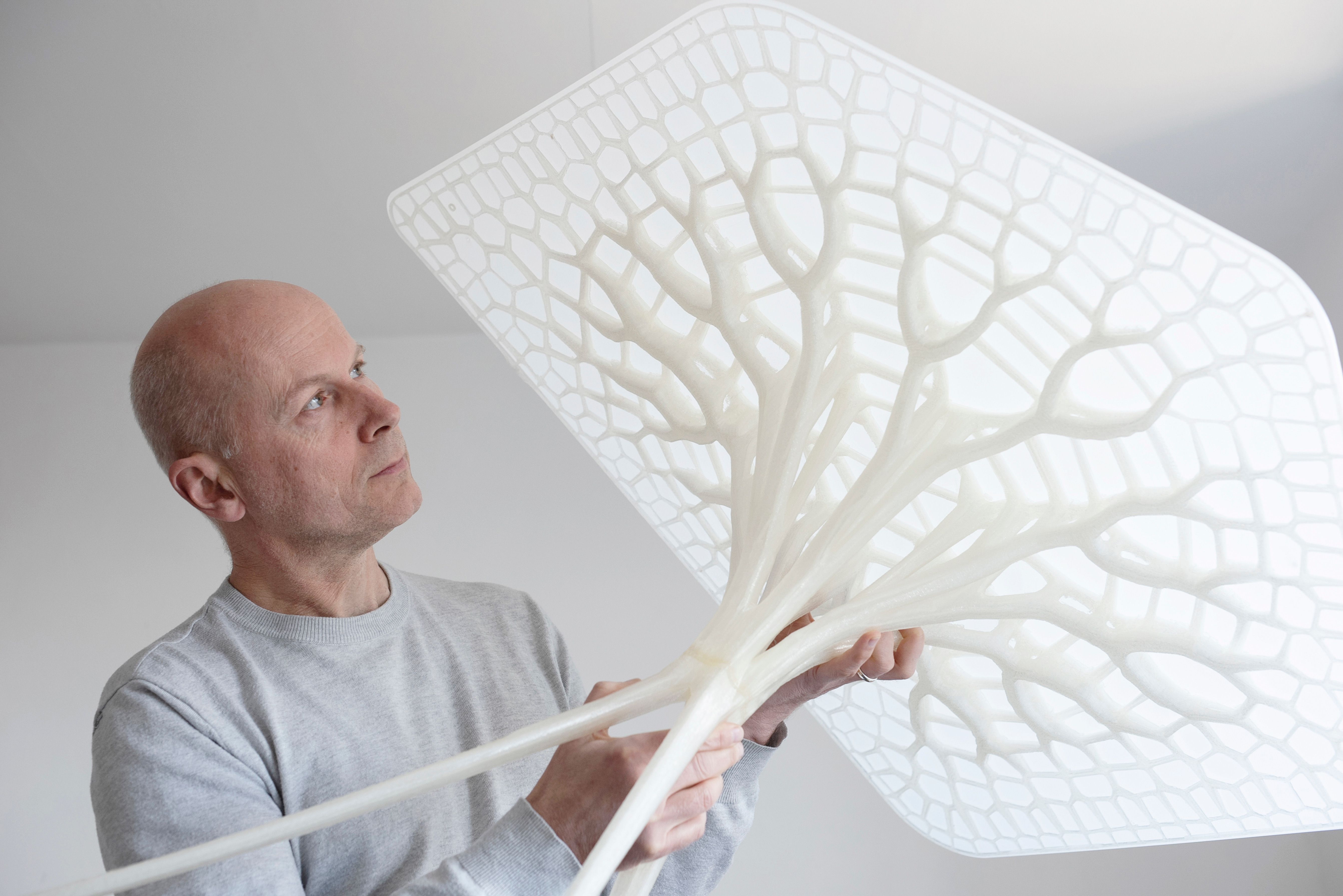
Neil Thomas, founder of Atelier One, known as one of the most innovative engineering practices in the world and a proud member of the RAI, will explore what nature can teach us about structure and unveil an engineering approach inspired by tree modality, which could potentially be a major breakthrough in the way tall buildings are designed. Partner: Atelier One Tickets £15. Free for students Find out more

In the slum that was 1970s Spitalfields, settlers arrived to occupy, mend, restore and live in its derelict Huguenot houses, unintentionally inspiring a new taste for faithful neo-Georgian domestic interiors and joinery that culminated with the founding of the Plain English Design company by Katie Fontana and Tony Niblock in 1992. Join long-time Spitalfields resident and designer Marianna Kennedy and Ruth Guilding of the Bible of British Taste in conversation as they discuss the enduring influence that Spitalfields still holds on design, with a contribution by Merlin Wright, Design Director at Plain English Design. Refreshments will be served in the Plain English kitchen donated to the museum in 2021.

The series begins with Michael Hall interviewing Professor G.A. Bremner about the ideas that underpin his book: 'Victorian Architecture'.

Book a place on a GUIDED TOUR of Dorich House Museum, the former studio home of sculptor Dora Gordine and her husband the Hon. Richard Hare.

Join us for an African Heritage Tour at Tate Modern
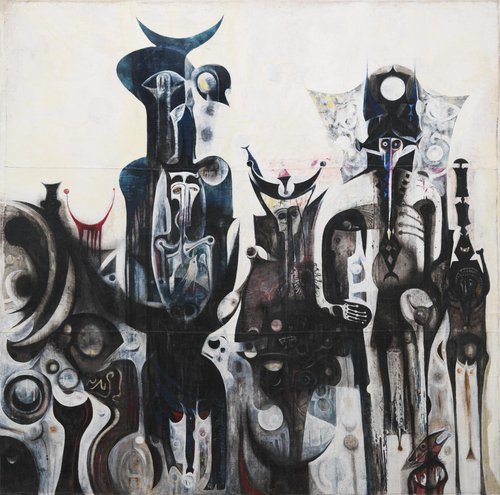
Join us for an African Heritage Tour at Tate Britain
Join us this Halloween for a Día de los Muertos mask painting event at the Kronospan Design Center!

Learn more about some of the best 21st-century architecture from the people who made it happen. We’ve paired leading architects and academics for themed lectures where they will present their work, before sitting down to discuss their individual approaches to similar projects. Education – Simon Henley of Henley Halebrown will present Hackney New Primary School (2020). The project combines a 350-pupil primary school with an apartment building. It won the RIBA National Award, Neave Brown Award and was shortlisted for Stirling Prize in 2022. Second speaker will be an architect from RSHP, talking about their award-winning Mossbourne Community Academy (2004) in East London. When completed, the school was the largest timber-framed structure in the UK. Chimney-like towers extract hot air from inside and compose a distinctive roofline, betraying the practice's High-Tech roots. Chaired by Catherine Croft (C20). The event is chaired by Catherine Croft – C20 director and writer. She leads a course on concrete for conservation professionals at West Dean College. Simon Henley is a Principal at Henley Halebrown. He studied at the University of Liverpool and the University of Oregon, USA. He combines practice with teaching and research – he is a postgraduate MArch unit master at Kingston University, London. He wrote Architecture of Parking (Thames & Hudson, 2007), won the RIBA International Book Award for Construction in 2008, and Redefining Brutalism (RIBA Publications, 2017). Simon is a Fellow of the Royal Society of Arts, an Academy of Urbanism Academician and Brother of the Art Workers Guild. The series coincides with the new C20 book 100 21st Century Buildings (2026, Batsfords). To book an online ticket for this lecture, click here. Buy the whole lecture series and save. The ticket price includes a glass of wine and a contribution to our casework and campaigns. Note: This event is hybrid and is being run both in-person at Cowcross Street Gallery and online via Zoom. The event will be recorded and offered as a catch-up lecture for those who have booked and will be available for two weeks.
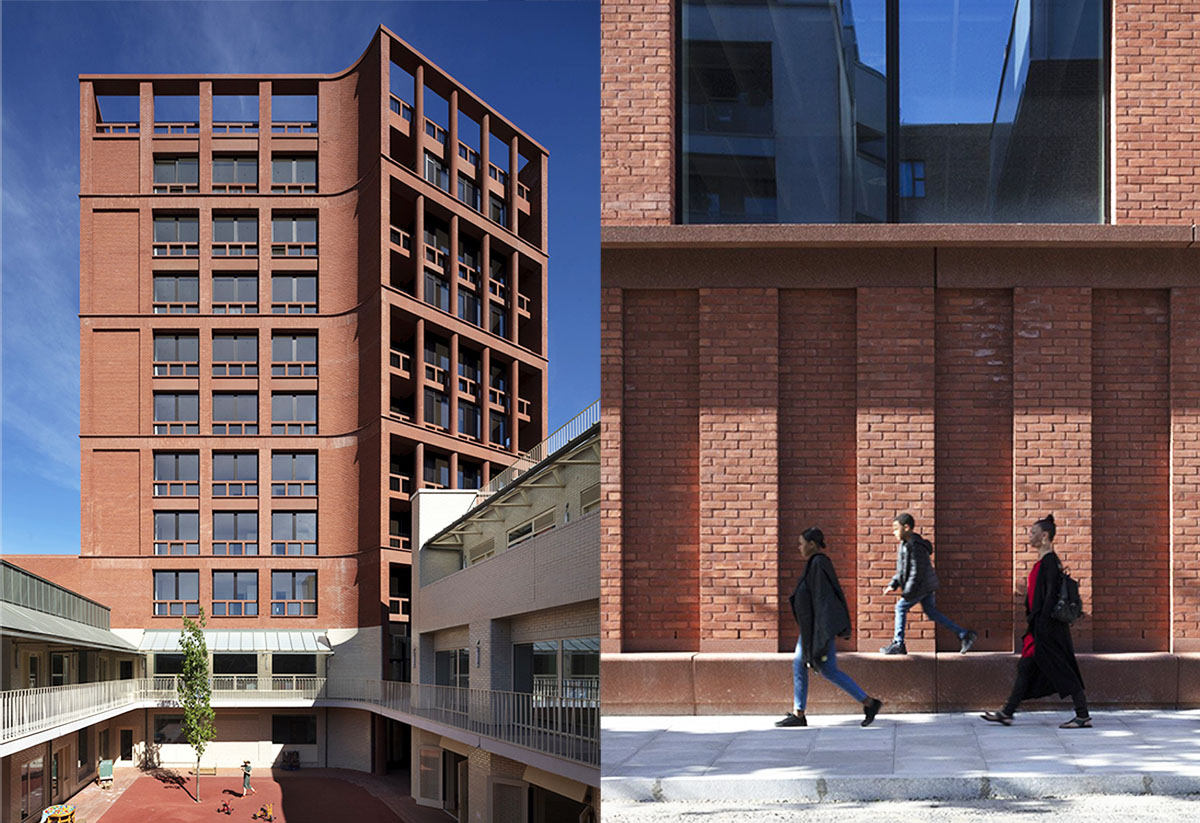
AI adoption is inconsistent and ineffective across organisations. UX must reconnect with its HCI roots to transform how we work with AI.

Discover the projects and ideas behind Walters & Cohen's thoughtful, people-focused architecture.

Caring about people, places, art & architecture through public art

To celebrate the release of his new book, join architect George Saumarez Smith in conversation with Jeremy Musson for an exploration of the English country house today.
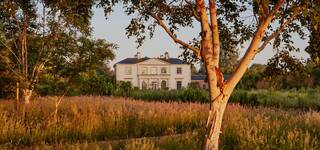
Relaxed Day Visit, 12pm – 3:15pm, £16 (+ £1.50 booking fee). Silent Night Visit, 5pm – 8:15pm, £25 (+ £1.50 booking fee). This is more informal than our Silent Visits, with talking allowed, yet still allows you to weave your way through the house and revel in its lavish decoration. Last admission is 45 minutes before closing time.
See how London has grown, and discover what could shape it next, in a free 30-minute talk at The London Centre.
Join an evening of creative experimentation developed with arebyte Digital Art Centre.
Join Open City for a walking tour discovering the extraordinary architecture of London’s East End

Join Open City for a walking tour exploring the unique architecture of Richmond
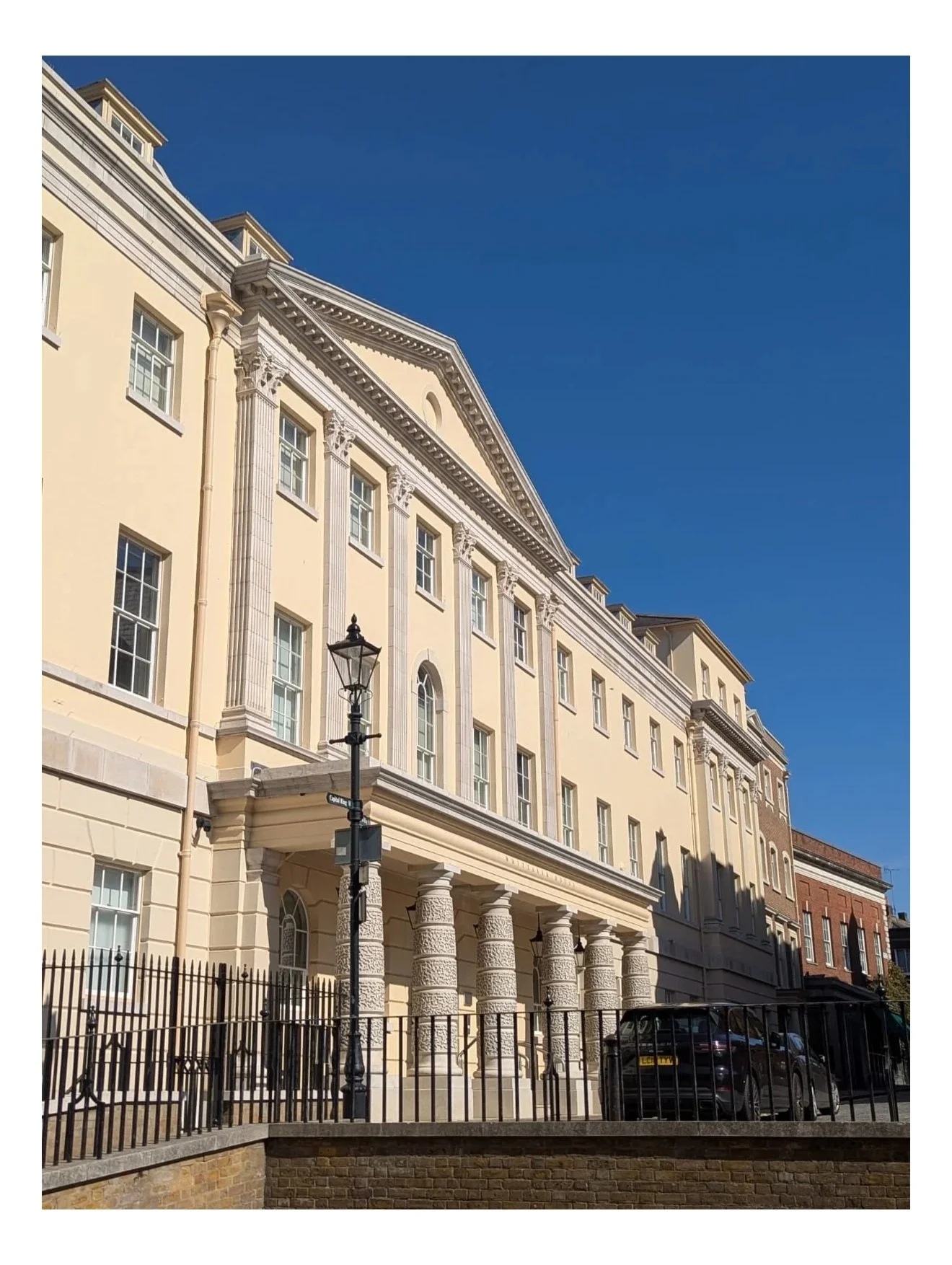
In the 1980s London’s great new opportunity was the East End. In Thatcher’s free market city, Docklands was there for the taking. Over 30 years later what was once the centre of London’s mighty 19th century port is one of the most important financial hubs in the world – a quayside fragment of Wall Street with all the North American brashness and architectural chutzpah to match. From marine relics and wharves to beaux arts arcades, post-modern icons and high-tech underworlds, this walk charts the making of this icon of urban planning, exploring the politics, business deals and various waves of boom and bust that have marked its spectacular creation. A walking tour by The London Ambler - Mike Althorpe

Focusing on housing, this tour explains how low-rise Islington came to be the home of some of London's most distinctive high-rises.

Join Open City for a walking tour discovering the extraordinary architecture of Golden Lane and Barbican Estates
Join Open City to explore the evolution of London's sanitation infrastructure, past, present and future
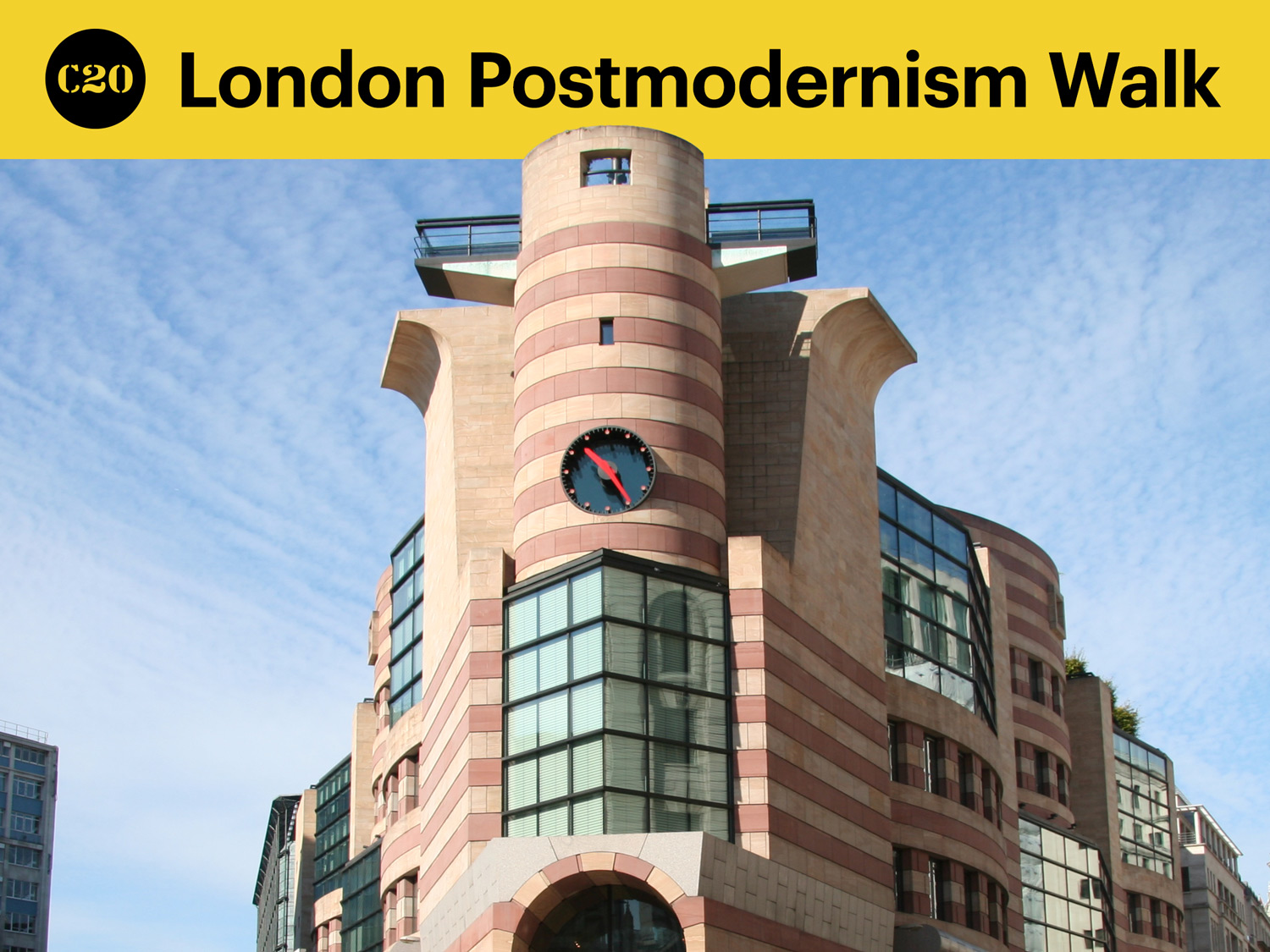
Join us on the new run of our outreach programme Architecture Style Walks. Five fun, engaging walks (Art Deco, Modernism, Brutalism, Postmodernism and High-Tech) explore key buildings of each style in London. You’ll learn the context in which they were built and hear interesting facts and anecdotes you can share with your friends in the pub later. The walks are very much aimed at the general public and will be repeated several times a year. Explore London’s Postmodernist architecture with engaging tour leader Mark Bessoudo. Starting in Clerkenwell with the celebrated 15 Clerkenwell Close, we’ll walk to the funky Janet Street-Porter House. This will be followed by a few hidden gems before arriving at the colossal Alban Gate by Terry Farrell. The tour will end at arguably the most famous Postmodern building in London – No 1 Poultry. This tour was originally developed by Joe Mathieson Mark Bessoudo is an architectural writer, researcher and Chartered Building Engineer with an MA in Architectural History from the Bartlett School of Architecture. He is editor of C20’s Building of the Month feature.
In this walking tour we'll discover the revolutionary Modernist homes and idealistic architecture built in Hampstead in the 1930s onwards .

Relaxed Day Visit, 12pm – 3:15pm, £16 (+ £1.50 booking fee). A Ghost Story by Candlelight, 6pm, £58.00 (+ £2 booking fee). This is more informal than our Silent Visits, with talking allowed, yet still allows you to weave your way through the house and revel in its lavish decoration. Last admission is 45 minutes before closing time.
See how London has grown, and discover what could shape it next, in a free 30-minute talk at The London Centre.
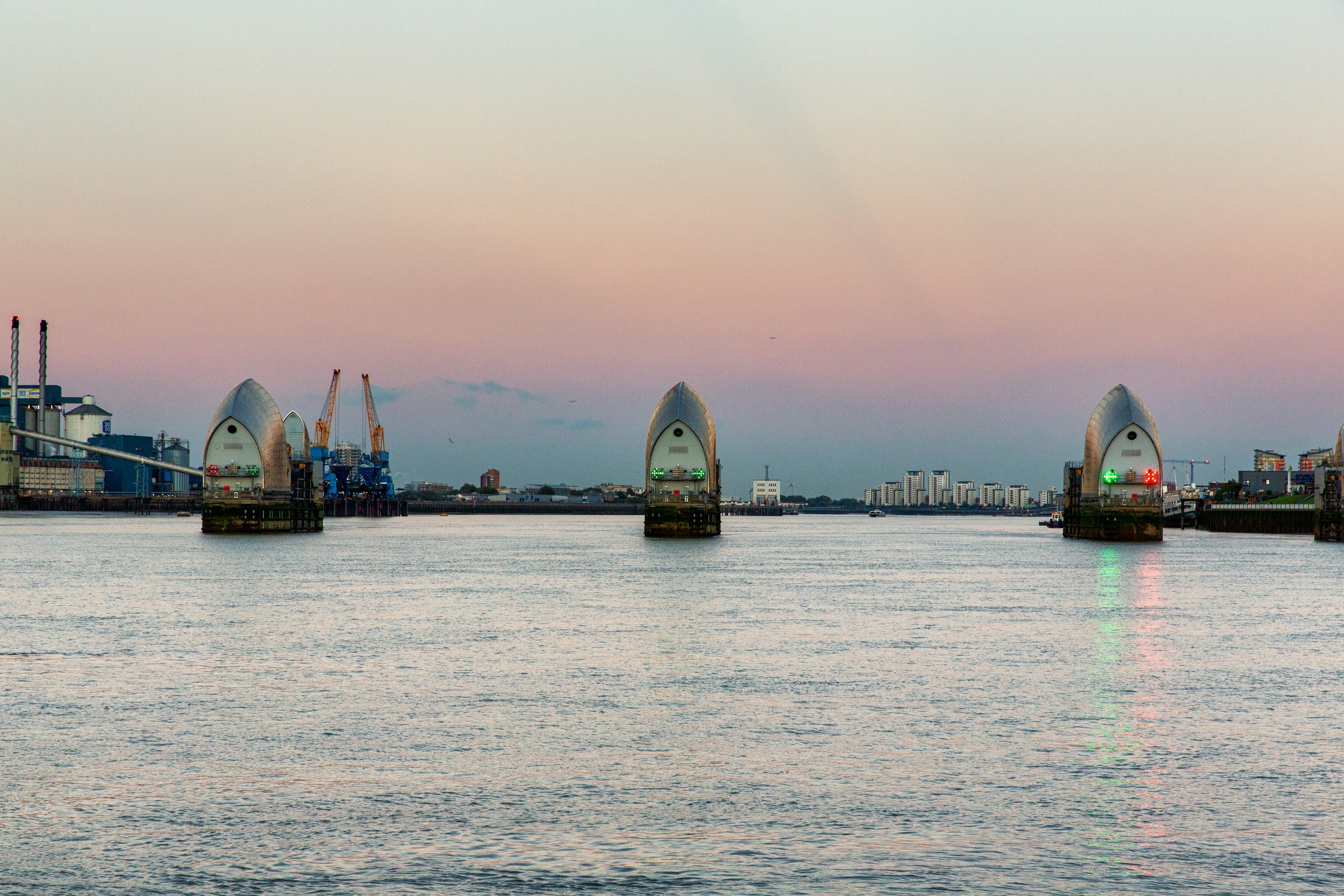
Join Open City for a boat tour discovering the extraordinary history and architecture of Thames riverside
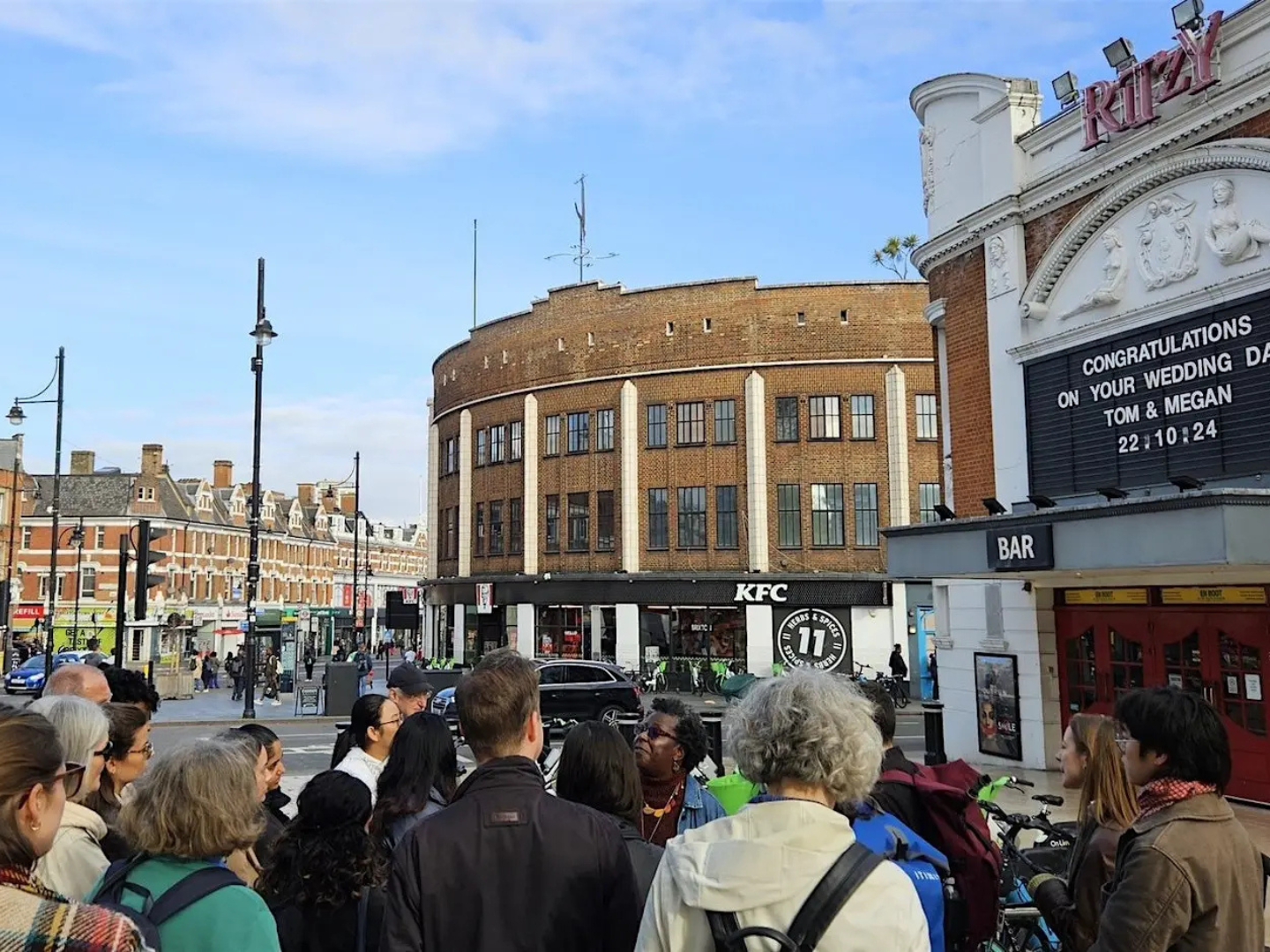
Join our Brixton Black History walking tour and discover a bustling and vibrant part of south London with a tumultuous history.
Join us for an African Heritage Tour at Tate Modern
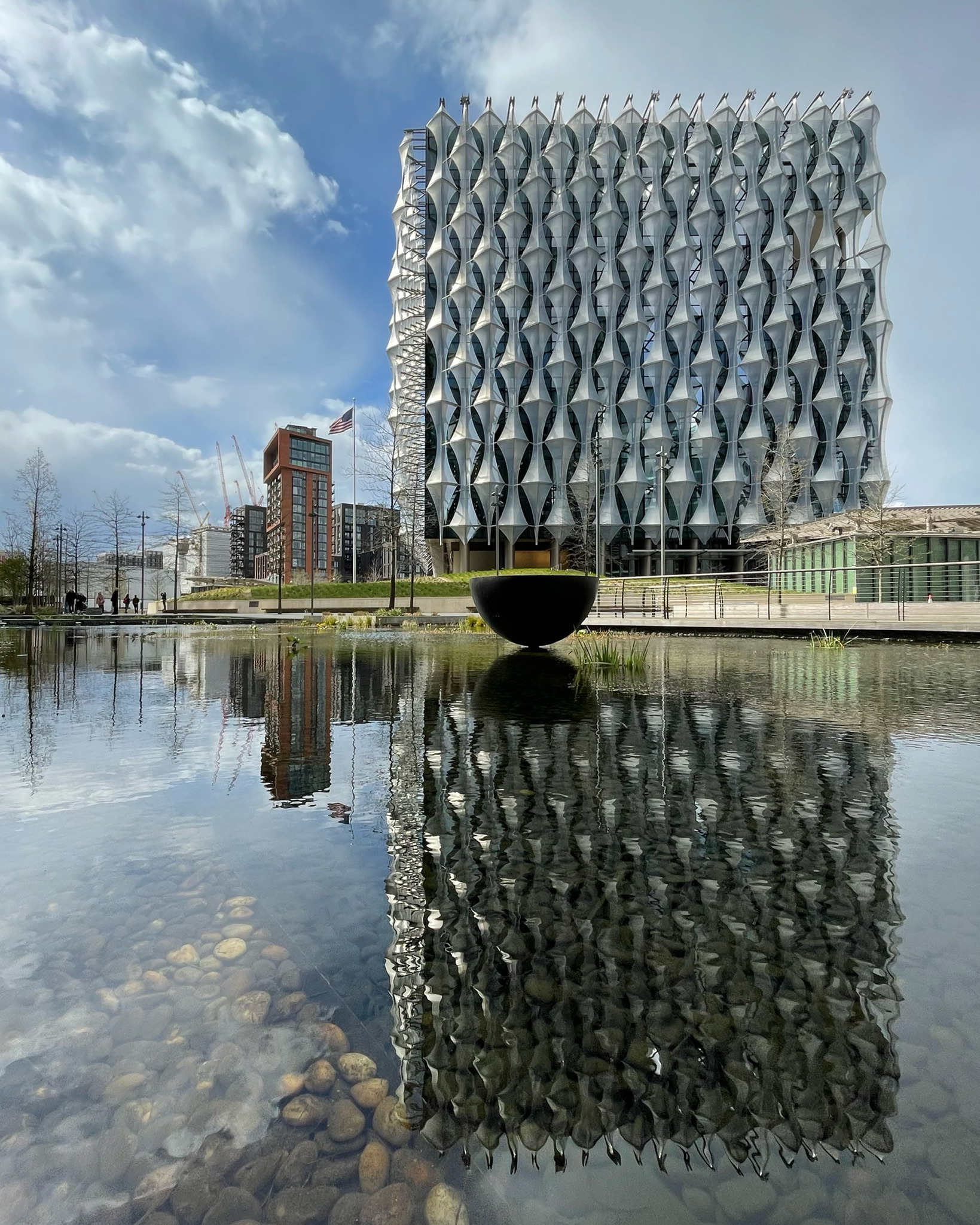
It has been hailed as Europe’s largest urban regeneration project. Like it or loathe it, the transformation of Nine Elms and Battersea includes plenty of iconic architecture and urban planning. As building work continues, this is an ideal time to take a critical look at key developments being completed in this area. Join us on a 2-hour walk from Vauxhall to Battersea Power Station, an area that encompasses over 30 development sites and a projected 20,000 new homes. The opportunity area has been both applauded and ridiculed in the press and President Trump famously refused to visit. So what's going on? We trace the story of the redevelopment, seeing completed and ongoing projects by starchitects such as Rogers, Foster and Gehry. We review the radical changes to Battersea Power Station and new landmarks such as the US Embassy and a gravity-defying swimming pool. At a time when the future of cities has never been more questioned, this walk aims to be both enjoyable and thought-provoking.
Rebels & Radicals walk the streets where ordinary people changed history from the Peasants Revolt to the Chartist Movement.

Silent Day Visit, 12pm – 3:15pm, £16 (+ £1.50 booking fee). A Ghost Story by Candlelight, 6pm, £58.00 (+ £2 booking fee). Walk through the house at your own pace without speaking. 18 Folgate Street is famous for the quality of its silence, enlivened only by ticking clocks, distant church bells and horse-drawn carriages passing. You will discover that when there is no chatter, you grow more aware of the fragrances of each of the rooms. Compounded by the house’s intricate visual detail, this is an intense experience for all the senses. Last admission is 45 minutes before closing time.
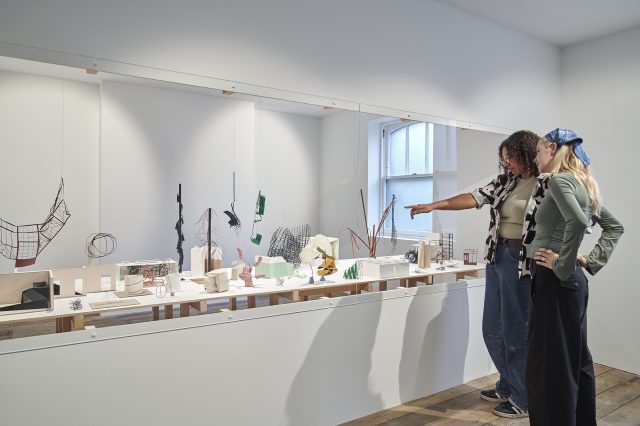
Join Martin Glover for a BSL tour of Monika Sosnowska: Weight of Matter. The tour will last for around 1 hour. Meet in the Main Gallery, 65-67 Peckham Rd, London, SE5 8UH. Guests are invited to socialise and grab a drink together in the café after the tour. Please note that this tour will be conducted in British Sign Language. ABOUT MARTIN GLOVER Martin Glover, deaf BSL user, is an architect and art facilitator. Across the UK, he delivers tours and workshops on contemporary art, architecture, street art, and public art/sculpture. He also manages his Digitspace project, championing better visual art access nationally. ACCESS The Main Gallery and Fire Station Galleries are well lit (except Gallery 4). Fire Station Galleries 4 has low lighting. Seating is available on request. There are film works in the Fire Station galleries which make sound effects of a flowing river and bird song,…
Join us for an African Heritage Tour at Tate Modern
Join us for an African Heritage Tour at Tate Britain
Join our expert panel’s exploration of how architects can move beyond temporary shelter and use design to prioritise human dignity.

Beau Lotto of Hummingbird Learning Lab, Piers Taylor of Invisible Studio and Julia Barfield of Marks Barfield Architects are hosting an interactive brainstorm exploring ways to help clients get radical projects off the ground, and to challenge the conventions that hinder collaborative, regenerative design. Key questions include: How can collaborative relationships foster creativity without duplicating effort and costs? How can clients ensure that everyone’s work is properly valued and rewarded without loading the project with unrealistic expectations and costs? What alternatives are there to the siloed working and adversarial culture embedded in traditional models of appointment, procurement and insurance How can funding, fees and incentives be aligned to minimise costs and carbon while unlocking the full potential of regenerative design? Partner: HDR Tickets £15. Free for students Find out more

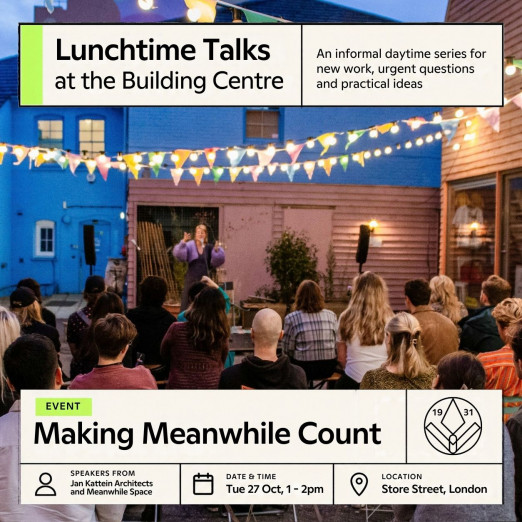
Making Meanwhile Count How can temporary spaces create lasting social impact, and what happens to the value they create when the projects themselves come to an end? Join Jan Kattein Architects and Meanwhile Space for a lunchtime talk exploring how we understand and value temporary interventions within processes of urban development that are usually focused on long-term or permanent outcomes. Jan Kattein Architects, a London-based architecture and urban design practice, and Meanwhile Space, a social enterprise specialising in transforming vacant spaces for community benefit, have been collaborating on time-limited urban projects since 2016, using vacant sites to provide affordable workspace and community space in the short term. The value of meanwhile use is increasingly recognised within planning and regeneration: local authorities may use it to bring activity back to high streets, while developers can use temporary projects to establish place identity, test new uses and support emerging local economies. But what happens beyond the ‘meanwhile’ period? These projects can also test more sustainable uses, build local capacity and networks, and create a more participative, organic and phased approach to development. Understanding that longer-term influence requires us to look beyond conventional measures of social value. Blue House Yard, the first meanwhile project delivered collaboratively by Jan Kattein Architects and Meanwhile Space, is approaching its tenth anniversary. Originally intended to remain for just five years, it will eventually make way for comprehensive redevelopment. This moment provides an opportunity both to understand and, where possible, quantify its impact, and to ask how the relationships, activity and value created there might endure after the project itself has gone. Drawing on Blue House Yard alongside other case studies and recent research collaborations with the Politecnico di Milano and UCL, the speakers will explore how the influence of temporary projects can be understood at neighbourhood scale. Combining data with stories of personal and community impact, the talk will consider how social value is created, who gets to define and measure it, and how lessons from temporary projects can inform longer-term regeneration. Expect a visually engaging discussion bringing together the perspectives of architect and operator, and opening up wider questions about how we can make meanwhile uses count long after the ‘meanwhile’ has ended. Speakers Gabriel Warshafsky Director of Urban Strategy, Jan Kattein Architects Gabriel is an architect and educator committed to socially engaged design practice. As Director of Urban Strategy at Jan Kattein Architects, he works with communities to develop stakeholder-led regeneration projects for high streets, town centres and housing estates. His work promotes inclusive, creative dialogue as an integral part of the design process, spanning furniture and public art installations, transformative meanwhile projects, long-term masterplanning and policy. He also teaches interdisciplinary design at the Bartlett School of Architecture and is a founding associate of STORE C.I.C., an educational initiative dedicated to broadening access to creative careers. Jan Kattein Architects | LinkedIn Jen Storan Projects Director, Meanwhile Space / Meanwhile Foundation Jen has spent the last seven years exploring ways to repurpose vacant land and buildings for local communities. Working across Meanwhile Space CIC and its sister charity, the Meanwhile Foundation, she leads new project development and meanwhile use strategies. She is currently delivering a National Lottery-funded programme to increase the social value generated by existing meanwhile use sites and equip more people to develop their own projects. Her interests include how temporary and experimental urban interventions can catalyse incremental neighbourhood transformation, including projects such as LJ Works in Loughborough Junction. She holds an MASc in Global Urbanism from UCL. Meanwhile Space | Meanwhile Foundation | LinkedIn About the Building Centre's Lunchtime Talks Our Lunchtime Talks bring together people working across architecture, design and the built environment to share ideas, explore new approaches and encourage discussion. Free to attend. Booking recommended. Have an idea for a talk? We're always looking for fresh perspectives and interesting projects to share with our audiences. Find out how to propose your own Lunchtime Talk through our open call.
This lecture is jointly convened by the American Institute of Architects (AIA) and the Royal Institute of British Architects (RIBA), in partnership with Spatial Practices, Central Saint Martins, University of the Arts London. The AIA and RIBA have a long history of collaboration dating back to the founding of their institutes in 1857 and 1834 respectively, and are delighted to present this year's keynote lecture with Central Saint Martins. This event is being held in person with drinks and canapes to be served after the lecture. About Craig Dykers Born in Frankfurt, Germany, Craig Dykers is an architect, educator, and founding partner of the internationally acclaimed design practice Snøhetta. Educated at the University of Texas at Austin, he co-founded the Oslo-based practice in 1989 and later helped establish its New York studio, contributing to the firm's emergence as one of the world's most innovative multidisciplinary design practices. For more than three decades, Dykers has led projects that blur the boundaries between architecture, landscape, urbanism, and cultural infrastructure. His work is distinguished by a commitment to creating environments that strengthen the relationship between people, place, and the natural world while fostering social interaction and civic engagement. Throughout his career, Dykers has championed an inclusive and collaborative design process that brings together multiple disciplines to address the environmental and social challenges facing contemporary cities and communities. He has lectured extensively across Europe, Asia, and the Americas, and has served as a visiting critic, professor, and juror at leading architecture schools and institutions. His work has received widespread international recognition, including projects honoured with the Aga Khan Award for Architecture and the European Union Prize for Contemporary Architecture (Mies van der Rohe Award), among many other distinctions.

Jonathan Smales, Human Nature’s visionary founder, calls for rigorously sustainable neighbourhoods forging a new generation of civic assets

We are excited to announce the 2026 AIA UK/ RIBA Keynote Lecture with Craig Dykers of Snøhetta!

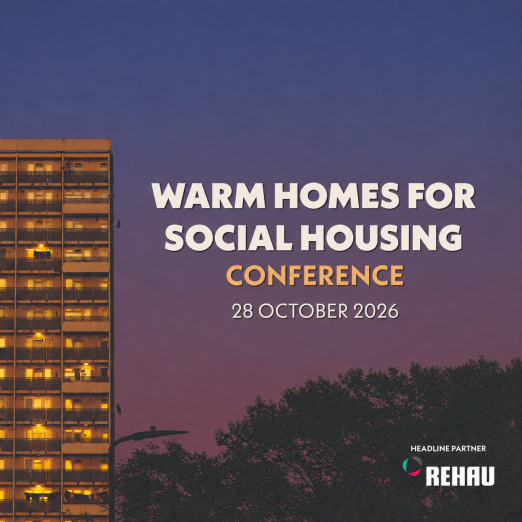
The Government’s Warm Homes Fund has pledged £5bn of funding for upgrading the energy efficiency – and reducing the carbon emissions of – housing in the UK. This replaces the Social Housing Decarbonisation Fund, with a national initiative which resets the focus onto resident benefits such as warmth and lower bills, rather than the mechanics of reducing carbon emissions. The social housing sector is tasked with tackling millions of properties with an initial £1.5bn of funding. This will be an unprecedented wave of upgrades – from heat pumps and PV, to building fabric including a range of insulation measures – to raise all homes to an EPC rating of ‘C’ by 2030. There remain a host of questions for the sector however, as it awaits Government confirmation of the incoming fourth wave of Fund spending to support this major endeavour. We will be continuing a series of in-depth discussions with the housing sector, policymakers, industry experts, and the wider supply chain, with a focused one-day conference looking at the opportunities as well as challenges posed by the Warm Homes Plan for retrofitting social housing. We will bring together key stakeholders to share best practice strategies and practical solutions for holistically increasing properties’ energy performance, with the aligned aim of decarbonising social housing by 2050. In spring 2026 we staged a round table looking at smart measures to tackle the continuing risk of fuel poverty, including housing providers, academics and supply chain partners. This conference will enable a broader range of presentations and discussions in a concise and impactful format. It also offers an excellent opportunity to network with peers from across housing, construction, and sustainability. There is growing momentum across the UK to deliver net zero targets within social housing, alongside increasing regulatory pressure and funding initiatives aimed at accelerating retrofit programmes. While there is a strong and evolving body of guidance around whole-house retrofit, low-carbon technologies, and fabric-first approaches, key questions remain around how effectively this knowledge is being translated into large-scale delivery. Housing associations and local authorities are under increasing pressure to upgrade existing housing stock, improve energy efficiency, and reduce carbon emissions, while also managing cost constraints, tenant disruption, and performance risks. From strategic asset planning to the selection of appropriate solutions, and practicalities of installation, monitoring, and maintenance, there are a host of retrofit challenges to address. How can housing providers, designers, contractors, and technology partners collaborate more effectively to scale delivery? How can funding, policy, and regulation better support long-term, sustainable outcomes? And how can tenant engagement be placed at the heart of social housing upgrades to ensure solutions are both effective and equitable? This conference will bring together a wide range of expert voices to share insights, case studies, and lessons learned, with the aim of supporting the sector in moving from ambition to action. Delegates will also be encouraged to actively contribute to discussions, helping to shape a more collaborative and solutions-driven approach to Warm Homes Plan-backed social housing upgrades, for the future benefit of tenants.
A lecture by Boudewijn Thomas, co-founder of MVRDV NEXT

Screening of The People’s Emergency Briefing, a 50-minute public information film hosted by naturalist Chris Packham that presents evidence on the UK’s climate and nature crisis, drawing from a live Westminster briefing held for politicians in November 2025. The screening will be followed by a Q&A and panel discussion with experts from across the industry. Partner: UK Architects Declare Tickets £15. Free for students

Join us for a screening of two films exploring the effects architecture has on people, accompanying Monika Sosnowska’s current exhibition Weight of Matter. Set against London’s changing landscape, the films explore how architecture affects us psychologically and physically, as well as the social and political ideas embedded in the built environment. PROGRAMME Emily Richardson, Block, 2005 (12 min) Block is a day and night portrait of a tower block in southeast London. Working with a static camera, the fixed shots are repeated and edited together in sequence, similar to CCTV footage that flicks from one camera view to another. The film captures repetition, surveillance-like observation, and everyday rhythms inside a modernist housing structure. Charlotte Ginsborg, The Mirroring Cure, 2006 (28 min) Tracing the life of a large construction site from demolition to the completion of new…
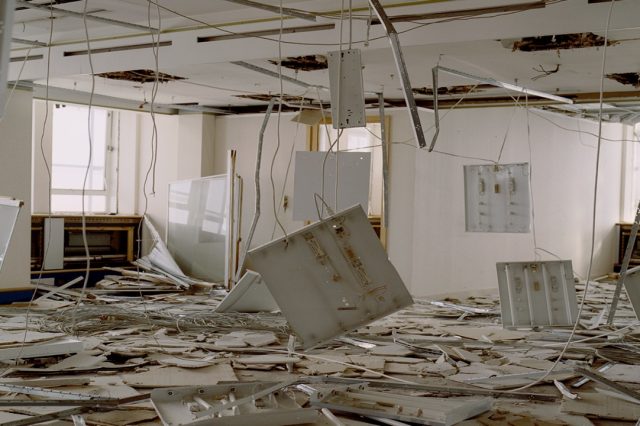
London-based architect Takero Shimazaki discusses the ideas and design approaches behind a selection of projects by t-sa, including the recently completed Yard Theatre in Hackney Wick.

What do we mean when we talk about inclusive design, and why does it matter?
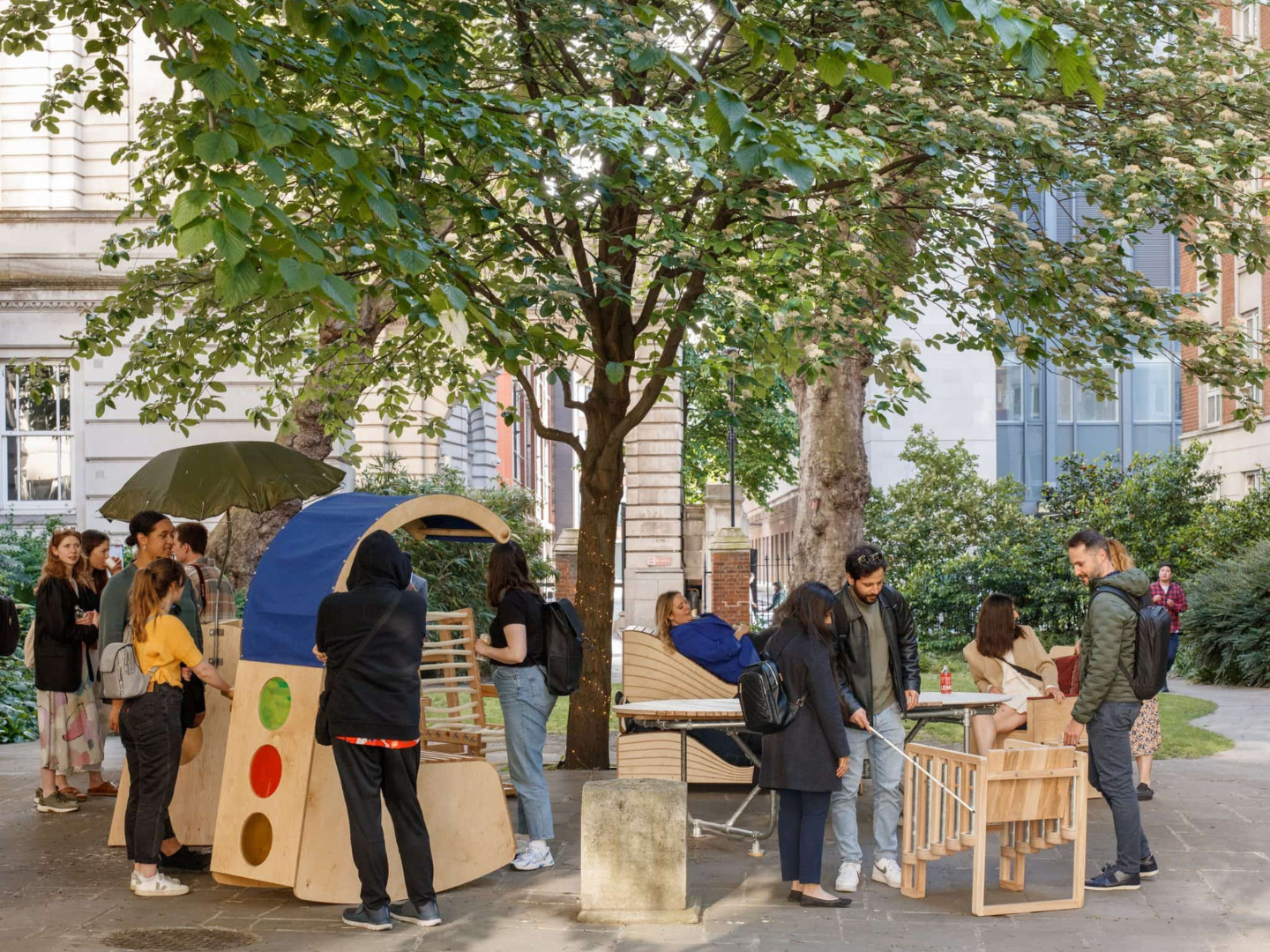
“The status quo is unsustainable. As the next generation, we cannot afford to stand by and wait for permission to make transformative change.” To conclude Regenerative Design 2026, Architects Declare’s Next Gen Ambassadors welcome a young panel of guest speakers to discuss how collective action and alternative contemporary practices have the power to alter the way we approach architecture, carving out a new future for the discipline. Chaired by Eimear Kernan and Architecture Today’s Nelly Greig, the event will include talks from those at the forefront of architectures next generation; from Tipping Point East, to the organisers of this years European Architecture Students’ Assembly. The event will finish with the launch of AD’s Next Gen Ambassadors’ “Future Ancestors”: an exciting new resource compiling best practice examples and key information to assist students in applying regenerative design principles in university projects and in practice. Partner: UK Architects Declare| Free to attend Find out more

As UCL turns 200, the Bartlett looks to the past to ask what built environment education must deliver for sustainable futures across Africa.

A Ghost Story by Candlelight, 6pm, £58.00 (+ £2 booking fee) (sold out). A Ghost Story by Candlelight, 8pm, £58.00 (+ £2 booking fee). Walter de la Mare's haunting short story Out of the Deep is reimagined for Dennis Severs' House at Halloween. The supernatural tale comes eerily to life when read by a flickering fire in its candlelit Withdrawing Room. Guests will be served a glass of Cremant or a soft drink in the atmospheric ground-floor Dining Room before taking their seats for an evening of spine-tingling entertainment. Performed by Lisa D'Agostino with music and sound by Dominic Stokes. This is for the curious but not the faint hearted.

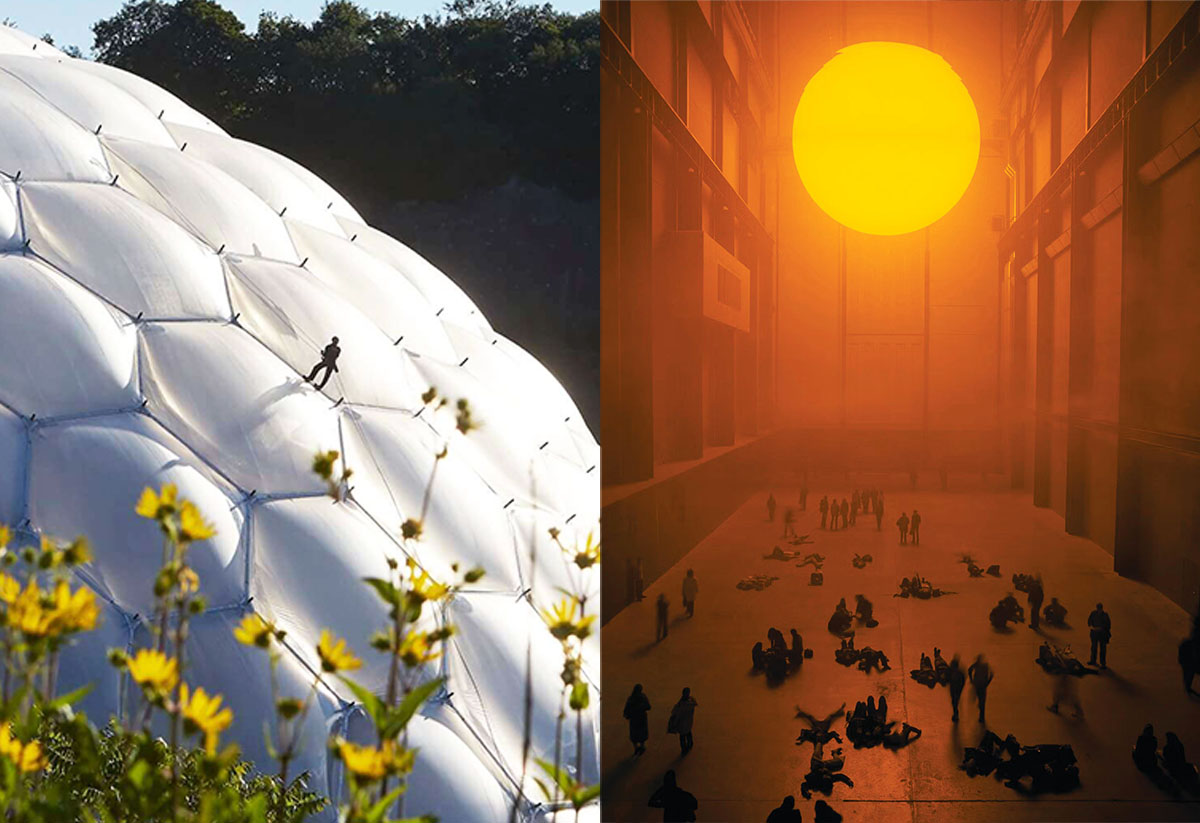
Learn more about some of the best 21st-century architecture from the people who made it happen. We’ve paired leading architects and academics for themed lectures where they will present their work, before sitting down to discuss their individual approaches to similar projects. Leading architecture critic Rowan Moore will give us a lecture on Millennium Architecture. Think Tate Modern, Eden Project or National Centre for Popular Music in Sheffield. These breath-taking feats of design and engineering provided new public spaces, vantage points and emblems for our country. But how have the landmarks of the new millennium stood the test of time? We’ll explore the vision and commitment behind their creation, the intense media coverage and public debate that followed, and discuss their burgeoning legacy a quarter of a century on. The event is chaired by Laura Mark – architecture critic, former Architect's Journal editor and current Head of Casework at C20. Rowan Moore is architecture critic of the Observer and was named Critic of the Year at the UK press awards. He is the author of Slow Burn City: London in the Twenty-First Century (2016, Picador) and Property: The myth that built the world (2023, Faber&Faber). The series coincides with the new C20 book 100 21st Century Buildings (2026, Batsfords). To book an online ticket for this lecture, click here. Buy the whole lecture series and save. The ticket price includes a glass of wine and a contribution to our casework and campaigns. Note: This event is hybrid and is being run both in-person at Cowcross Street Gallery and online via Zoom. The event will be recorded and offered as a catch-up lecture for those who have booked and will be available for two weeks.