Cultur Vultur / Design & Architecture
Design and architecture, from sketch to street.
Architecture, design, places and ideas worth discovering across the city.
Cultur Vultur / Design & Architecture
Architecture, design, places and ideas worth discovering across the city.
Loading events…
Cultur Vultur / Design & Architecture
Architecture, design, places and ideas worth discovering across the city.
Loading events…
41 talks, tours and events in the next 7 days
Showing 1–25 of 228 events1–25 of 228 events
Enter the imaginative world of British artist and designer Es Devlin in the first retrospective in Europe celebrating her 30-year creative practice across sculpture, stage design, music, language and light. If your preferred time slot is sold out online, a limited number of tickets may still be available from the ticket desk. 'Es Devlin: Other Worlds' will explore Devlin’s genre-defying practice and the vast range of projects she has brought to life around the world. On display will be artworks, installations and film alongside the largest solo presentation of Devlin’s archive to date.

Step into the heart of London’s Brutalist legacy.

A UK–China summit exploring healthcare architecture, hospital renewal, net zero, AI and the future of healthcare design.

This event is part of the free Lunchtime Lecture series. No booking is required.
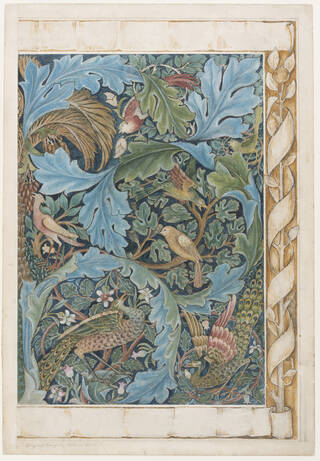
Discover the world renowned royal and political heart of London with captivating exteriors of Big Ben, St James's Palace, Banqueting House

A landmark edition of the biggest night in architecture.

Join us for this autumn instalment of short talks from early-career researchers, including: Laura Mark exploring the unintended details of Peter Salter's Walmer Yard; November Tan reimagining Portsmouth Central Library; Joe Mathieson examining retrofit at Hampstead Garden Suburb; and sculptor Jack Handscombe discussing his artwork and late classicism. Details: Upgrading Utopia by Joe Mathieson The talk is about retrofitting the twentieth century utopian community of Hampstead Garden Suburb. Joe Mathieson is an architectural adviser at the Hampstead Garden Suburb Trust. Reimagining Portsmouth Central Library by November Tan November Tan is a PhD researcher in Architecture at the University of Portsmouth. Her work forms part of an AHRC-funded collaborative doctoral partnership with the Portsmouth City Council. This focuses on the architectural history of the Portsmouth Central Library, as well as participatory heritage and design. Trained in geography and architectural conservation, November has worked as an urban planner, designer and heritage professional for over 15 years. Originally from Singapore, she is also a community organiser, facilitator and learning designer who brings together traditional and digital art forms with play, storytelling and experiential learning. My work and late classicism by Jack Handscombe A short presentation on the sources and inspiration for Jack’s work as a sculptor and architectural designer that elide and collapse different times, themes and styles. Jack Handscombe is a sculptor, designer, and architectural stone carver. His recent work includes the stone carving for the Royal Regiment of Scotland’s 20th Anniversary monument in Edinburgh’s West Princes Street Gardens, unveiled by His Majesty King Charles III in July 2026, and an ongoing programme of architecturally integrated sculpture for a Longniddry South housing development in East Lothian, Scotland. His interest lies in the persistence of historic forms late into the twentieth century. His own practice draws on this latent continuity and attempts to actively speak in its many voices through exercises design and sculpture, to exercise the forms in a hope to develop the language. Peter Salter's Walmer Yard by Laura Mark Laura Mark will discuss her PhD research at Walmer Yard. Walmer Yard is a development of four houses which sit around a courtyard in Notting Hill, designed by the acclaimed architect Peter Salter. Once completed back in 2018, it was turned into a house museum and Laura was appointed as its Keeper. While there she made a series of casts of parts of interior walls where the texture isn’t quite as the architects would have intended. Many visiting the building might not notice these or alternatively might see them as intended details. Some of them became intentional as the architect acted to disrupt the notion of an imperfection or mistake by bringing them to the fore, extending them and spreading the initially unintended finish to other areas of the walls. The casts and a series of accompanying poetic words explore what is significant about these unintended moments within the interior spaces of Walmer Yard. They also present opportunities to carry out a close reading of the building and its fabric, and as a way to retrieve and create memories – akin to a talisman. In her presentation Laura will explore how the casting of the building and the words placed aside these casts can act to record the interiors of the spaces and the moments and stories contained within the walls of Walmer Yard. Laura Mark is Head of Casework at the C20 Society. She is an award-winning architecture critic, curator, editor and researcher. Before joining the C20, Laura co-led the undergraduate first year at Sheffield School of Architecture. She has previously taught at the Bartlett School of Architecture, University of Greenwich and the Birmingham School of Architecture and Design and Sweden’s UMEA University. Trained as an architect, Laura worked in architectural practice before joining the editorial team of the Architects’ Journal. She has also held a curatorial position at the Royal Academy of Arts. Hosted by Carlos Finlay.
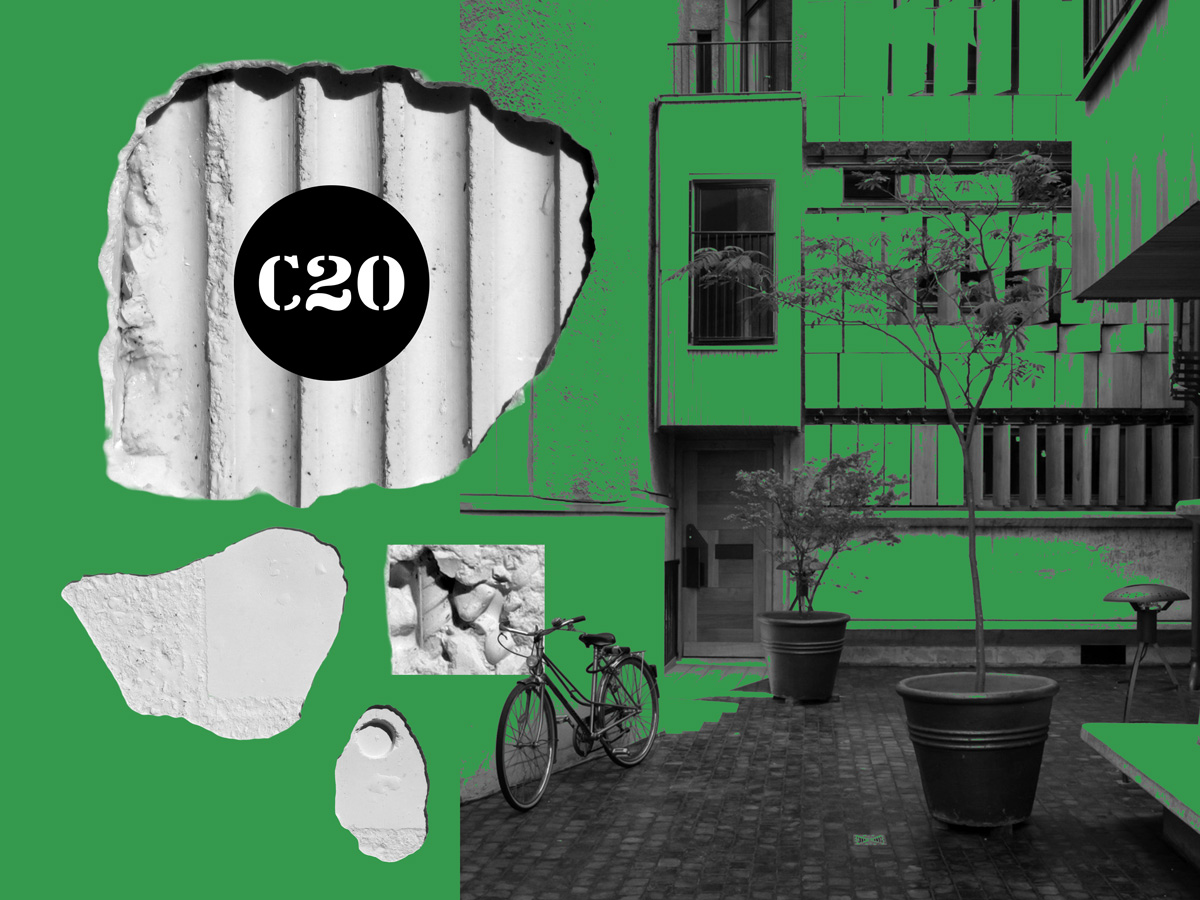
Global conditions largely shape architecture today, yet in looking outward, we often lose sight of what is immediately in front of us.
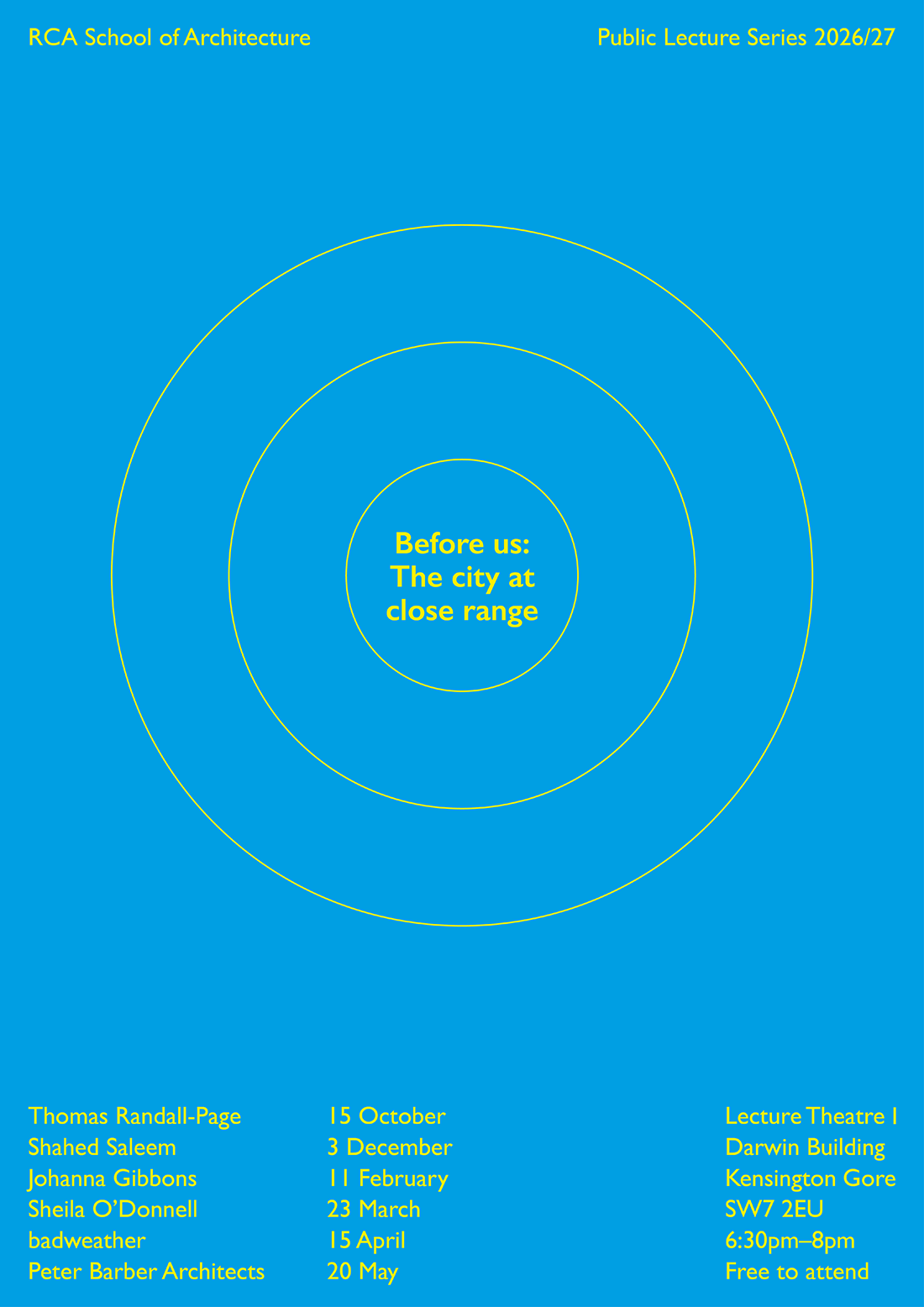
School of Architecture Public Lecture Series, Before us: The city at close range

How did early modern people make festivals, and why did they take such enormous care in the production of seemingly ephemeral events? Elaine Tierney’s new book, Celebrating the City: Making festivals in early modern London and Paris, explores these questions by taking readers behind the scenes of urban festivities. Where other studies unpick the courtly, literary and iconographical contexts for festivals, this book foregrounds the processes of designing, making and organising by which the events were produced. This shift in focus reveals that urban festival politics cannot be understood without attention to the nitty-gritty of these material worlds. In making this case, the book combines the tools of design history and the concerns of political history to shed new light on how people, from royal officeholders to anonymous faces in the crowd, used festivals to participate politically in late seventeenth-century Europe’s two most populous cities. This event celebrates the book’s publication. After a short welcome and introduction from the author, two respondents highlight the volume’s key contributions to histories of festivals, political culture and urban life.

A walking photography tour of the Barbican Estate - by Brutalist London & Cinematographer Diana Olifirova

The South Bank, Somerset House and Covent Garden – three London landmarks that have seen spectacular change from their original uses. Although all are cultural destinations, their architectural responses are radically different. How did the buildings develop and adapt, and will they remain relevant in a changing world? The Festival of Britain in 1951 sparked redevelopment of the South Bank, so our walk begins at Royal Festival Hall. We consider the brutalist institutions along the Thames before crossing Waterloo Bridge, with its panoramic views of the city. North of the river we discover Somerset House and some of the most fascinating buildings around Aldwych, before ending our journey at Covent Garden.
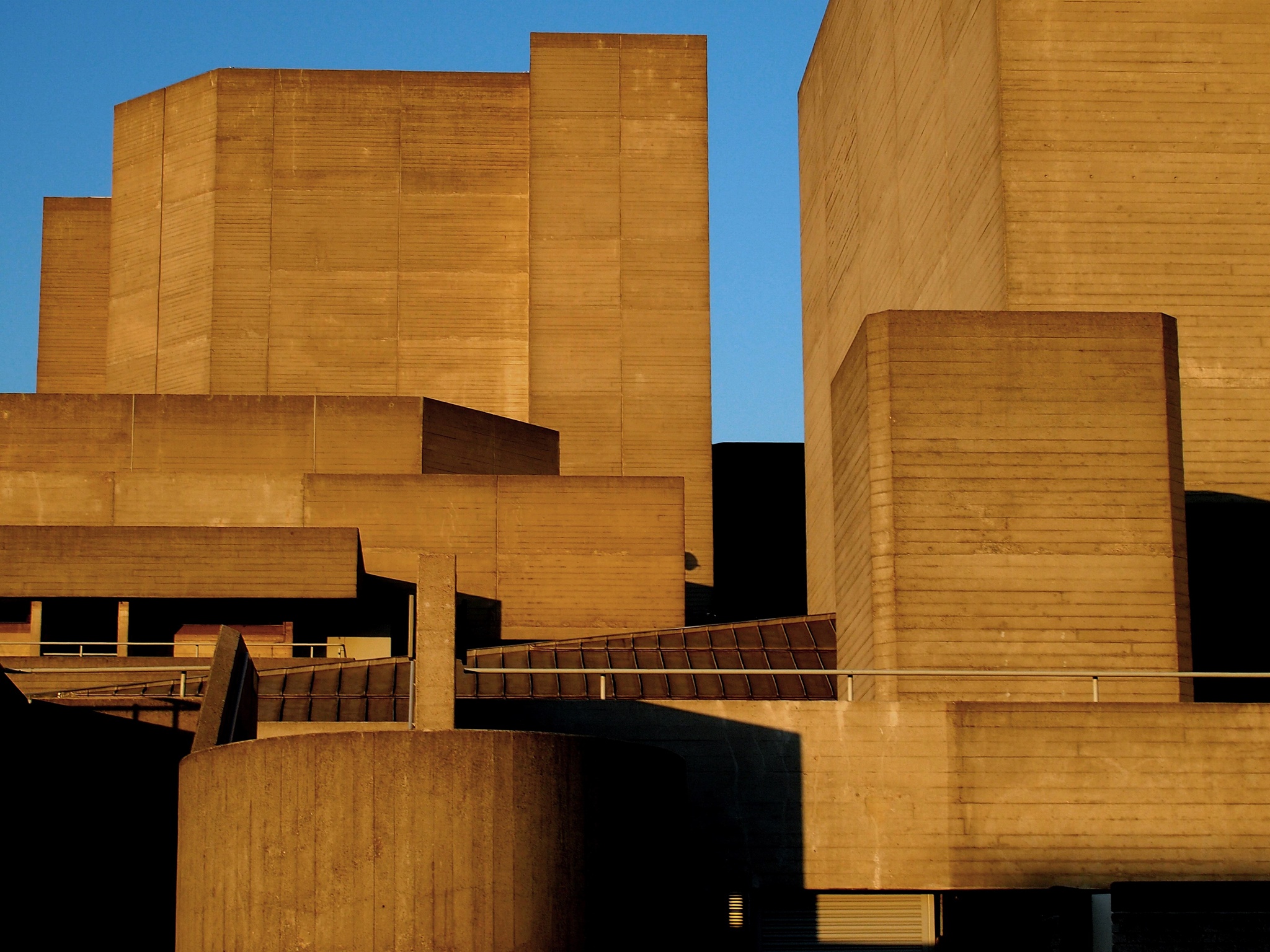
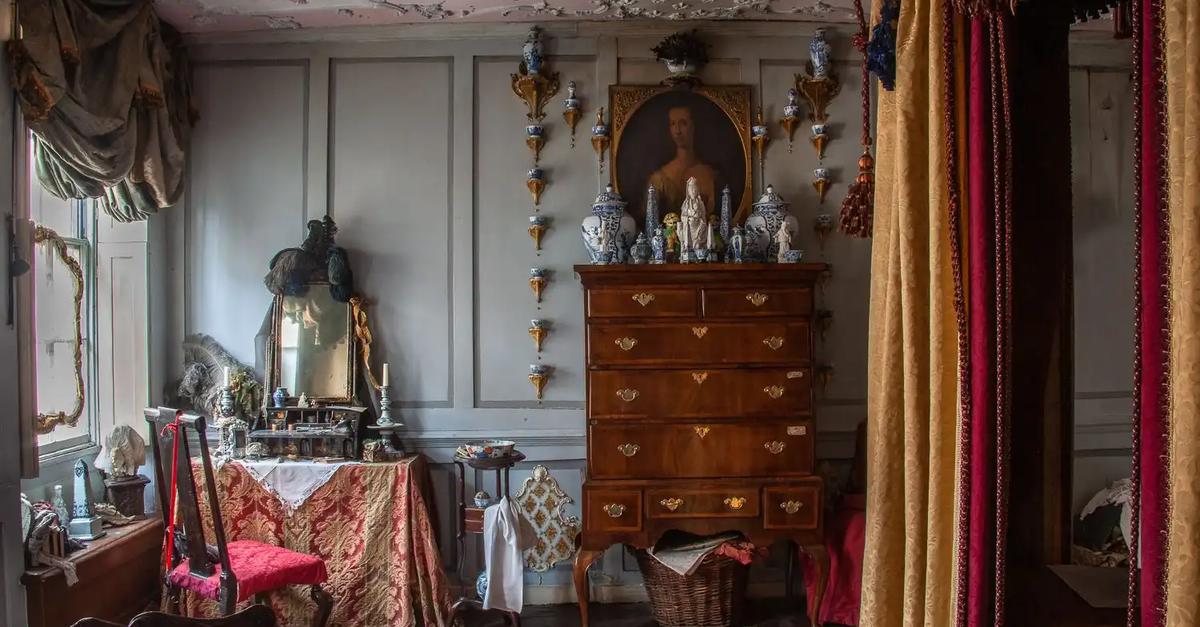
Relaxed Day Visit, 12pm – 3:15pm, £16 (+ £1.50 booking fee). Silent Night Visit, 5pm – 8:15pm, £25 (+ £1.50 booking fee). This is more informal than our Silent Visits, with talking allowed, yet still allows you to weave your way through the house and revel in its lavish decoration. Last admission is 45 minutes before closing time.
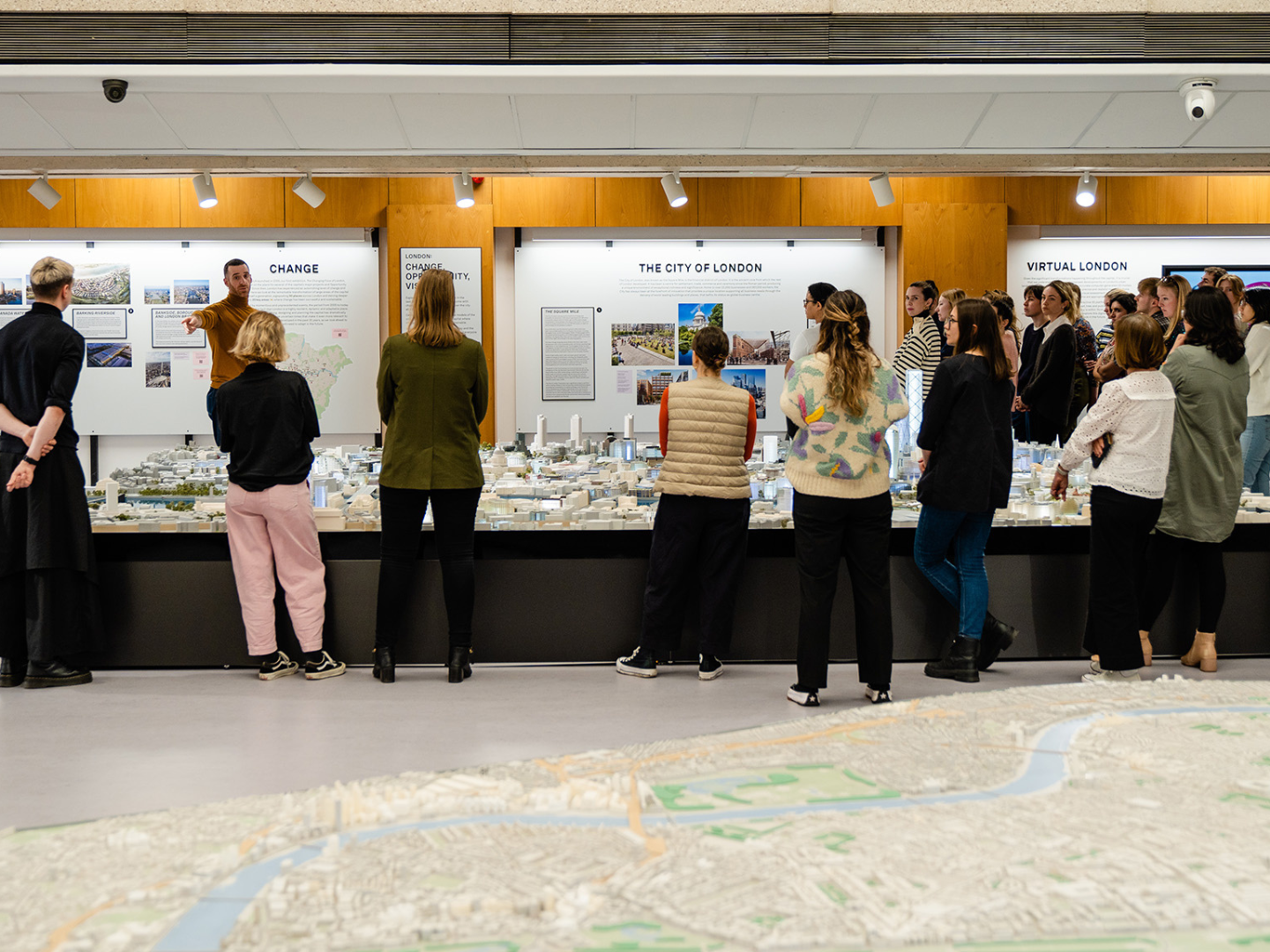
See how London has grown, and discover what could shape it next, in a free 30-minute talk at The London Centre.
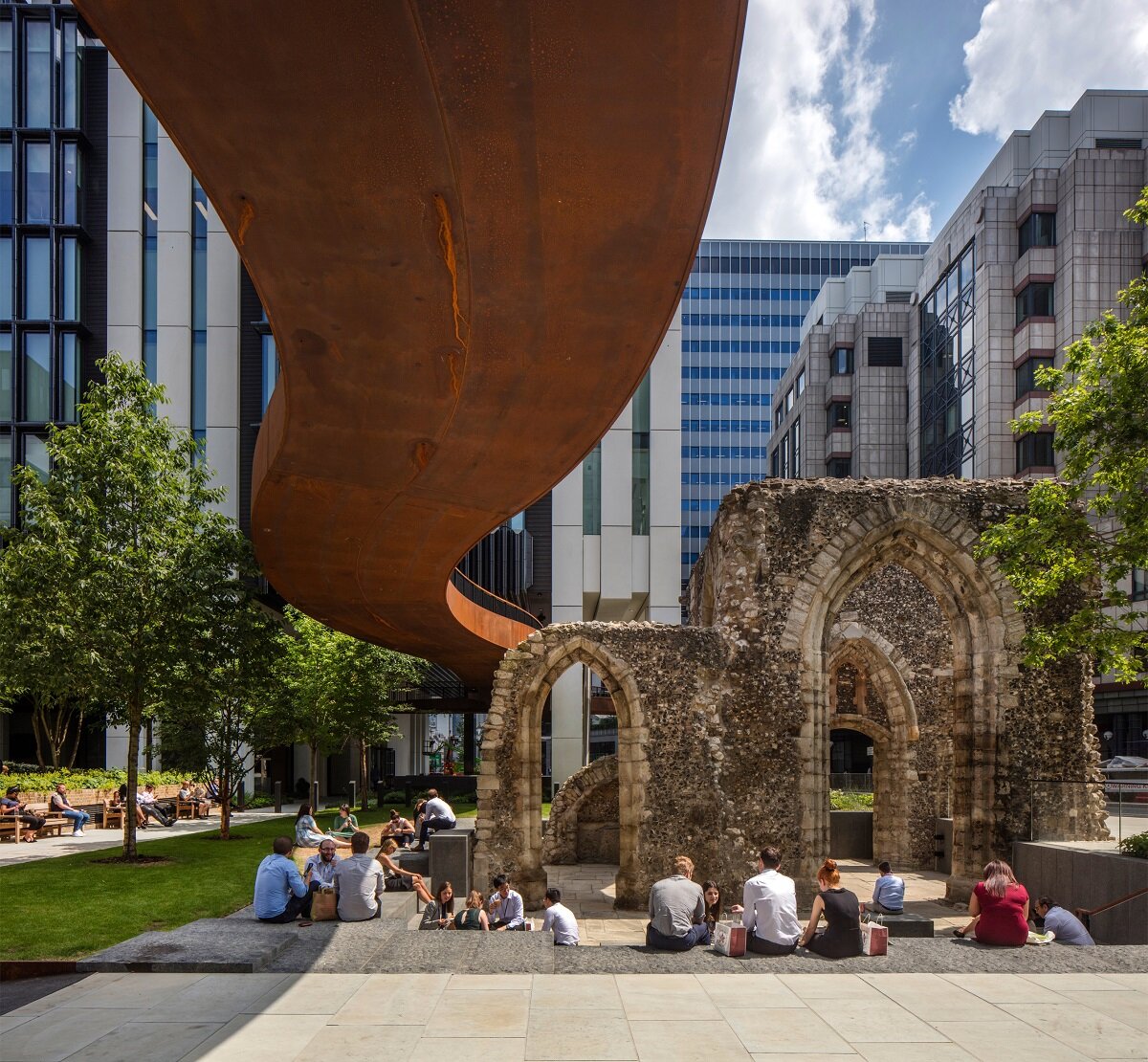
Join Open City for a walking tour discovering the history of the London Wall and its impact on contemporary London’s architecture and landscape
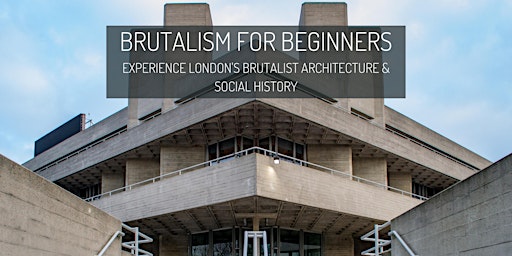
Experience London's Brutalist architecture and social history in this highly rated walk & talk !
This circular route explores the celebrated Alton Estate Roehampton (now around 65 years old) from the perspective of one who grew up there. The estate is divided into two branches with very separate identities: the slightly earlier Alton East (1955) with its Scandi inspired softer vernacular and Alton West (1959) with a more uncompromising brutalist approach, seen especially in the Grade II* listed slab blocks paying tribute to Le Corbusier’s Unite D’habitation in Marseilles (1947–52). Both wings of the estate were built on the extensive parkland of 18th century mansions which still survive. A requirement was that its mix of high rise, maisonettes, and individual houses should respect and avail of these historic landscapes and provide high density dwellings in spacious surroundings. In particular we will examine how the best intentions of its visionary designers translated into practical reality. Frank Burgess is a native Londoner with memories from age one of seeing concrete piloti awaiting assembly for Alton Estate Roehampton. His Irish immigrant family was among its earliest inhabitants. A fascination with the London townscape and its endlessly quirky variety dates from there. Frank has been working for the last eight years as an accredited London Blue Badge Guide.
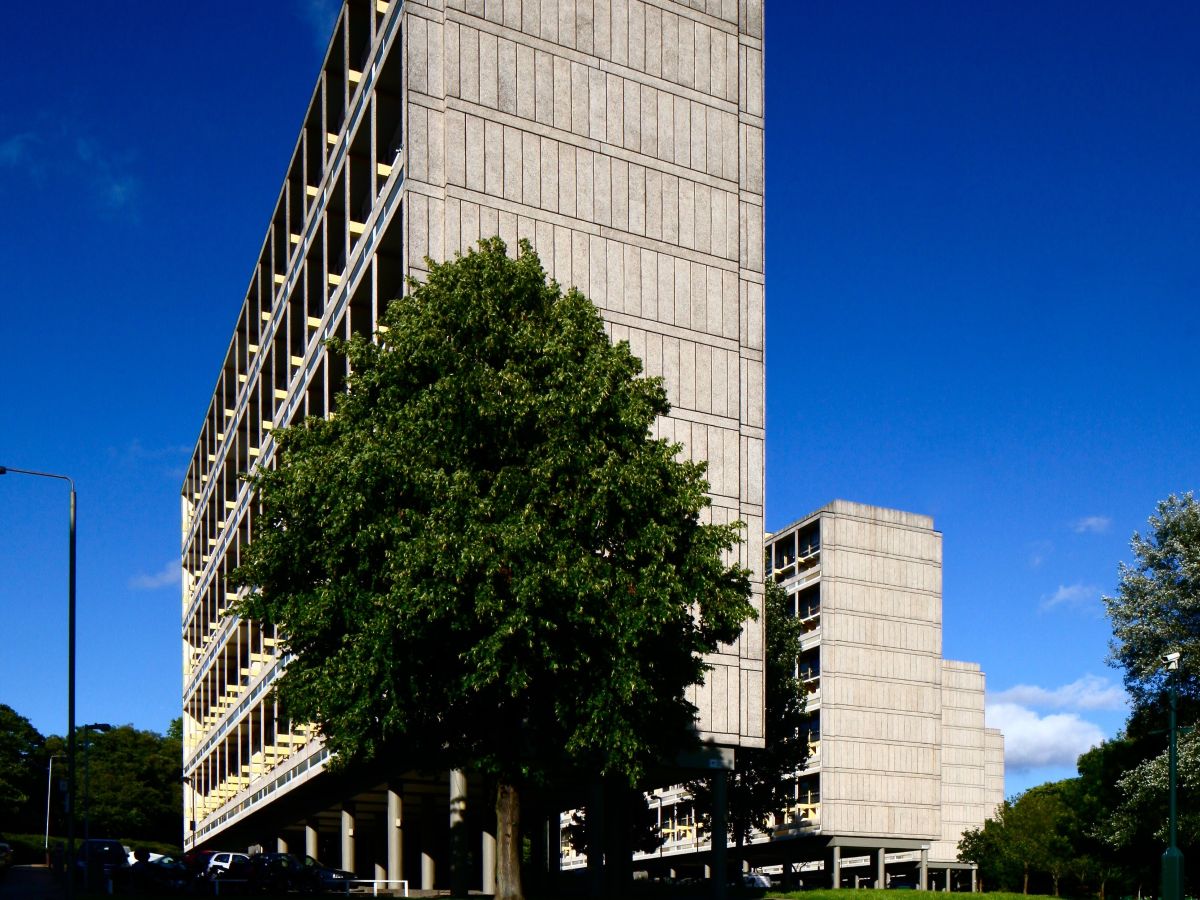
Around the fringe of every city lies an Edgeland. Neither town or country these fertile hinterlands are made up of two different natures. Skirting the ancient borders of the City of London, this TWO-PART walk explores the liminal buildings, streets and spaces that have grown up in the shadow of the financial heart. Following a route defined first by the Romans two millennia ago, PART ONE explores the contemporary ‘City Fringe’ between Tower Hill and Broadgate taking in old railways, warehouses and 21st century commercial leviathans and the neighbourhoods of Minors, Aldgate, Whitechapel, Houndsditch and Spitalfields! PART TWO: Saturday 07 November A walking tour by The London Ambler - Mike Althorpe
Join Open City for a walking tour discovering the extraordinary architecture of Kensington
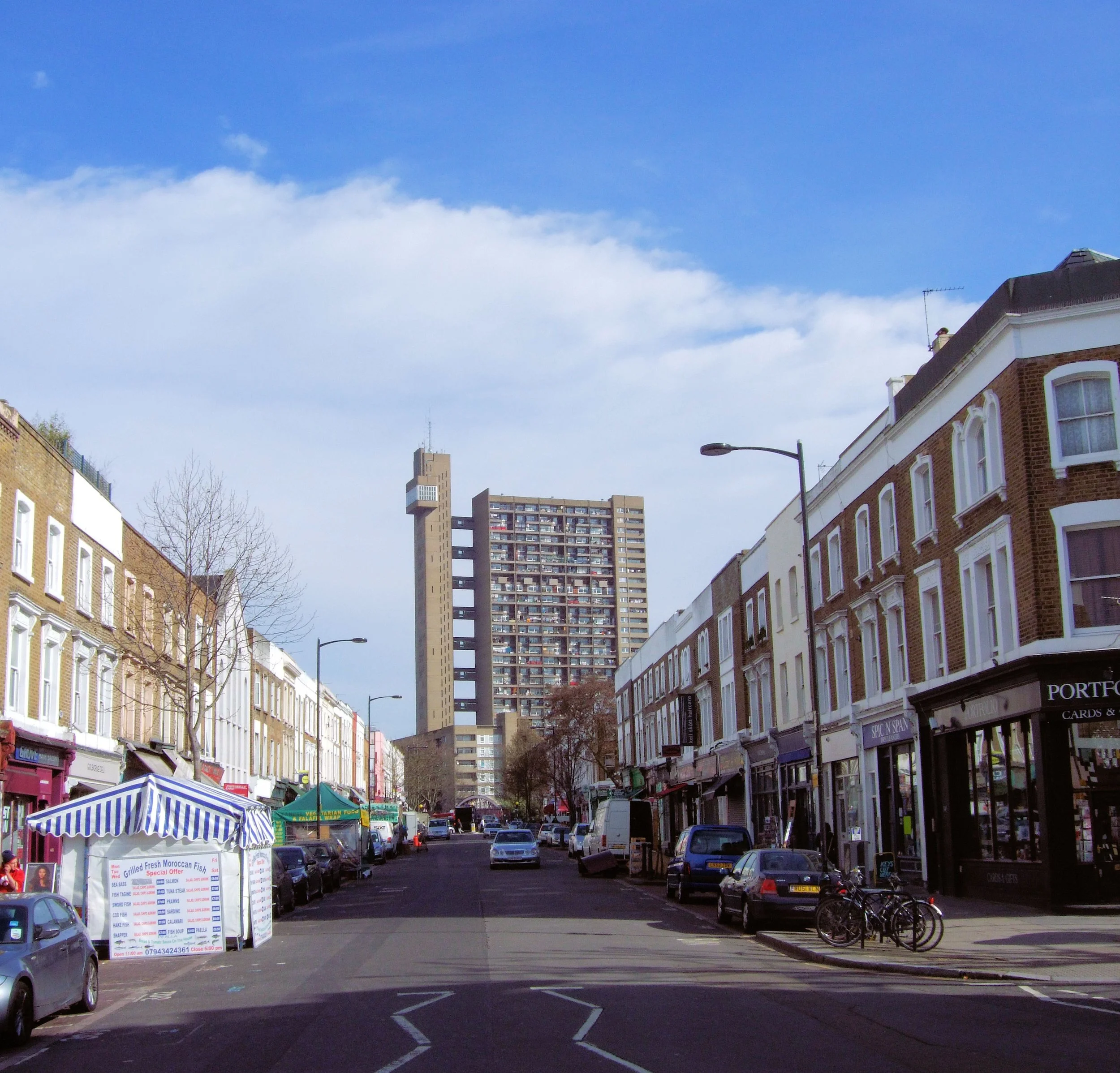
Join Open City for a walking tour exploring Pimlico
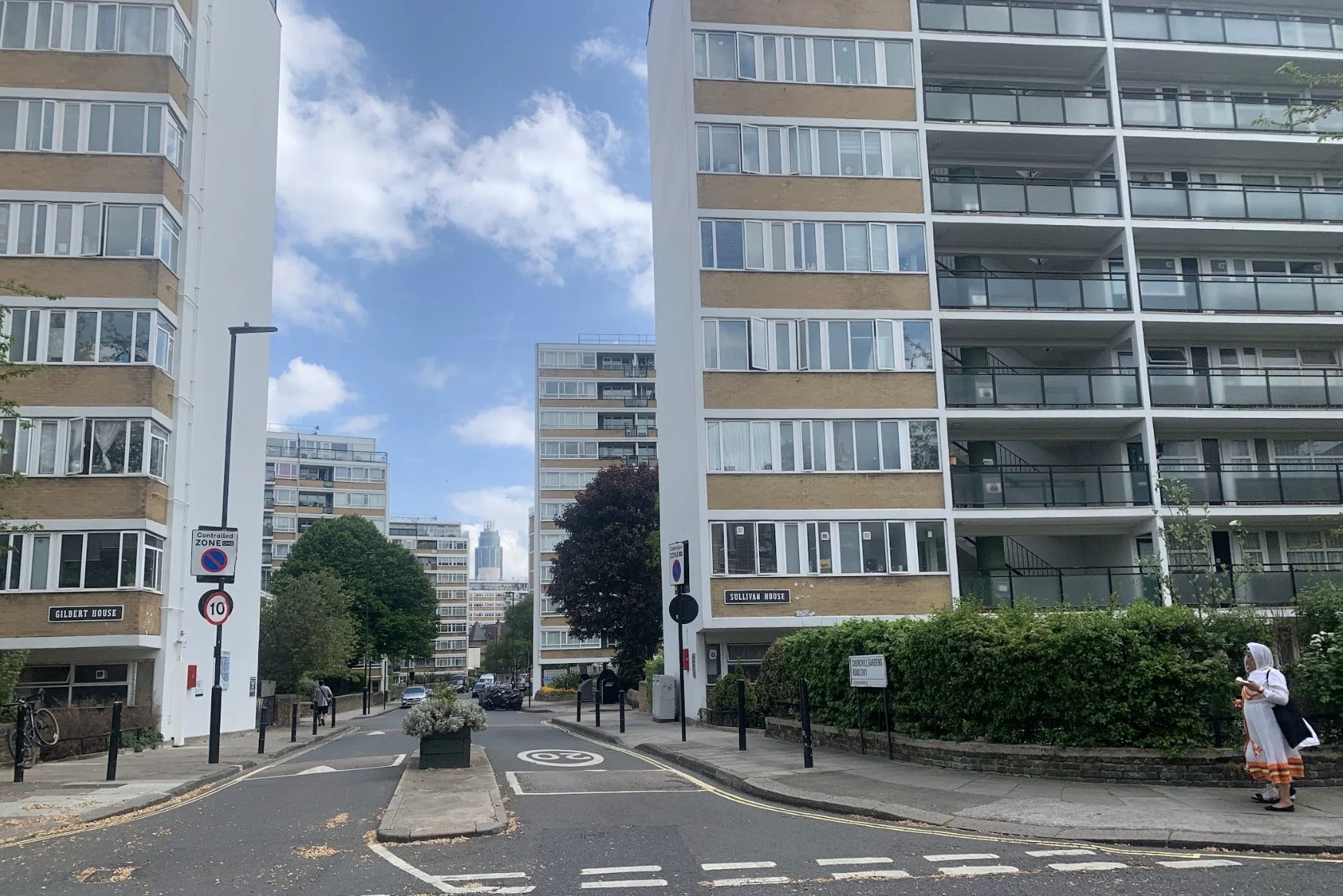
Join Open City for a walking tour exploring the unique layered history of the architecture of Clerkenwell
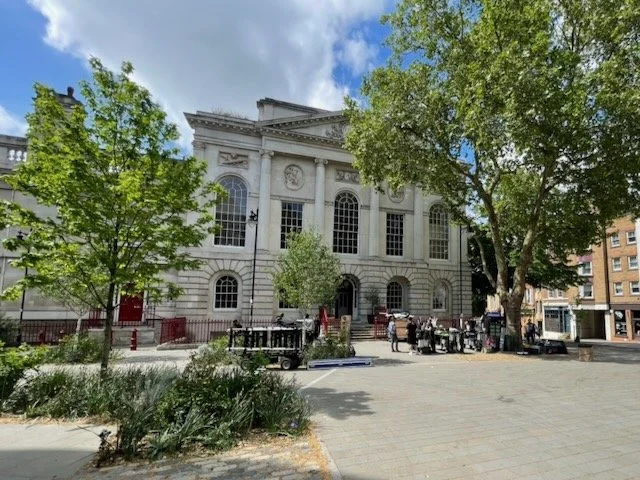
Join us for a chill walk exploring cool ways to design buildings that actually help tackle climate change.

Relaxed Day Visit, 12pm – 3:15pm, £16 (+ £1.50 booking fee). This is more informal than our Silent Visits, with talking allowed, yet still allows you to weave your way through the house and revel in its lavish decoration. Last admission is 45 minutes before closing time.